Loans for Debt Consolidation: When They Make Sense
When loans for debt consolidation can help, where they can backfire, how to compare lenders, and what to check before you apply in the UK.

If you are researching loans for debt consolidation, you are probably trying to answer a simple question with big consequences: will one new loan actually make life easier, or will it just rearrange the problem?
The honest answer is that a debt consolidation loan can work well in the right situation. It can turn several payments into one, make your monthly outgoings easier to track, and sometimes reduce the total interest you pay. But it is not automatically cheaper, and it is not the right fix for every kind of debt pressure.
This guide explains when debt consolidation loans can help, the risks to watch for, how secured and unsecured options differ, and how to compare lenders properly before you apply.
What a Debt Consolidation Loan Actually Does
A debt consolidation loan is a new loan used to pay off existing borrowing such as credit cards, overdrafts, store finance, or other personal loans. After that, instead of juggling several due dates and balances, you make one repayment to one lender.
That simplicity is the main attraction. MoneyHelper explains that debt consolidation can make debts easier to manage, but it can also cost more overall if the new loan runs for longer or carries extra charges. That is why the headline monthly payment should never be your only comparison point.
For some borrowers, the biggest gain is not just a neater statement. It is the chance to move from variable, revolving debt to a fixed repayment schedule that is easier to budget for month by month.

When Loans for Debt Consolidation Make Sense
Debt consolidation is usually strongest when it solves a clear structural problem rather than just creating a temporary feeling of relief.
1) You can genuinely lower the pressure on your monthly budget
If several minimum payments are swallowing too much of your income, one affordable fixed payment can give you more control. The key word is affordable. FCA rules require lenders to assess creditworthiness and affordability because a loan should not push you deeper into difficulty.
2) You are replacing expensive or awkward debt with something simpler
Credit cards, overdrafts, and other forms of revolving credit can be hard to clear if you keep dipping back into them. A fixed-term loan can create a clearer finish line. If you need a refresher on how borrowing cost should be compared, read APR Demystified.
3) You are using consolidation as part of a plan, not as a reset button
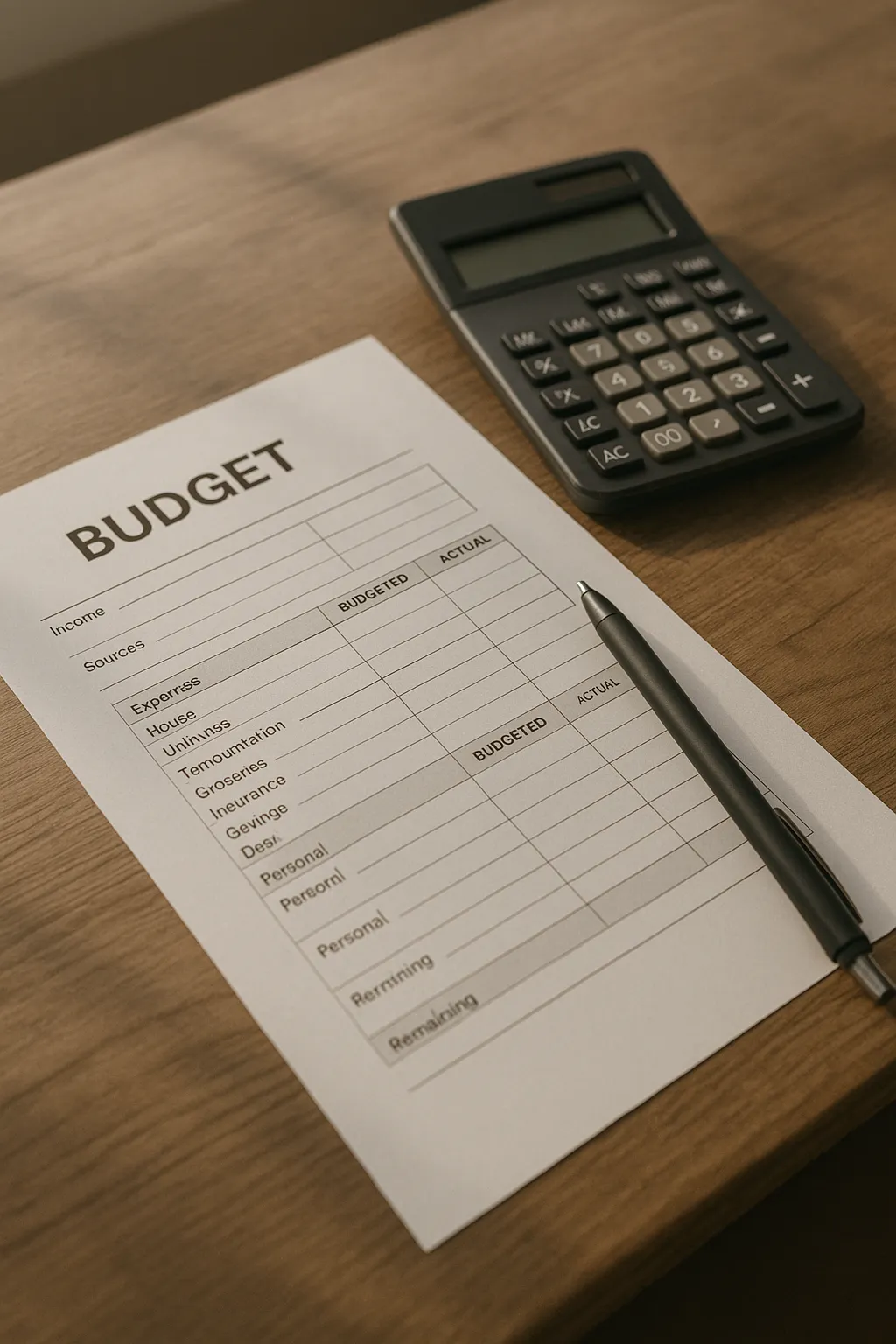
The strongest debt consolidation cases usually have one thing in common: the borrower has already looked at the pattern behind the debt. That might mean cutting spending, cancelling unused subscriptions, or putting a realistic budget in place first. Our budget planner can help you pressure-test the repayment before you commit.
4) The total cost still makes sense
A lower monthly payment can be good news, but not if it comes from dragging the debt out for years longer than necessary. Always compare the total amount repayable, not just the instalment.
When Loans for Debt Consolidation Can Backfire
This is the part many articles rush past. Consolidation is not automatically a problem-solver.
- The term is much longer. A lower monthly figure can hide a higher total cost.
- The old credit gets used again. If cleared cards are quickly run back up, you can end up with the old debt problem plus the new loan.
- Your essentials are already behind. If rent, mortgage, council tax, or utilities are slipping, new borrowing may not be the right first step.
- You need to secure the debt against something valuable. If the consolidation loan is secured, your home or another asset may be at risk if you cannot keep up.
- The debt problem is really an income shortfall. A loan can reorganise debt, but it cannot permanently fix a budget that is negative every month.
If debt feels unmanageable, free support from organisations such as Citizens Advice or StepChange can be a safer starting point than taking on new credit.

Secured vs Unsecured Debt Consolidation Loans
One of the most important choices is whether the new borrowing is secured or unsecured.
Unsecured loans
An unsecured debt consolidation loan does not require you to put up an asset such as your home or car. For many people, that makes it the safer structure because missed payments are serious, but they do not directly place an asset at risk in the same way a secured loan can.
If your credit history is less than perfect, options can still vary a lot by lender. Our guides on bad credit loan claims and CCJ loans explain some of the extra checks and trade-offs involved.
Secured loans
A secured debt consolidation loan uses an asset as security. That can sometimes affect the amount available, the rate, or the term. But it also changes the risk in a much bigger way. If the repayments become unaffordable, the lender has stronger rights against the secured asset.
That is why a secured consolidation loan should be approached carefully. A lower rate is not automatically a win if you are turning previously unsecured debts into borrowing tied to your home.
Which is better?
There is no single answer. The best option depends on your budget, credit profile, and risk tolerance. But as a rule, if an unsecured loan can solve the problem at a manageable cost, many borrowers will prefer not to put an asset on the line.
How to Compare Lenders Properly
If you compare lenders on the monthly payment alone, you are missing the most important parts of the decision.
Use this checklist instead:
- Representative APR: useful for comparison, but not a promise you will get that rate.
- Total amount repayable: often the clearest way to compare the real cost.
- Term length: longer terms may reduce the monthly payment but increase total cost.
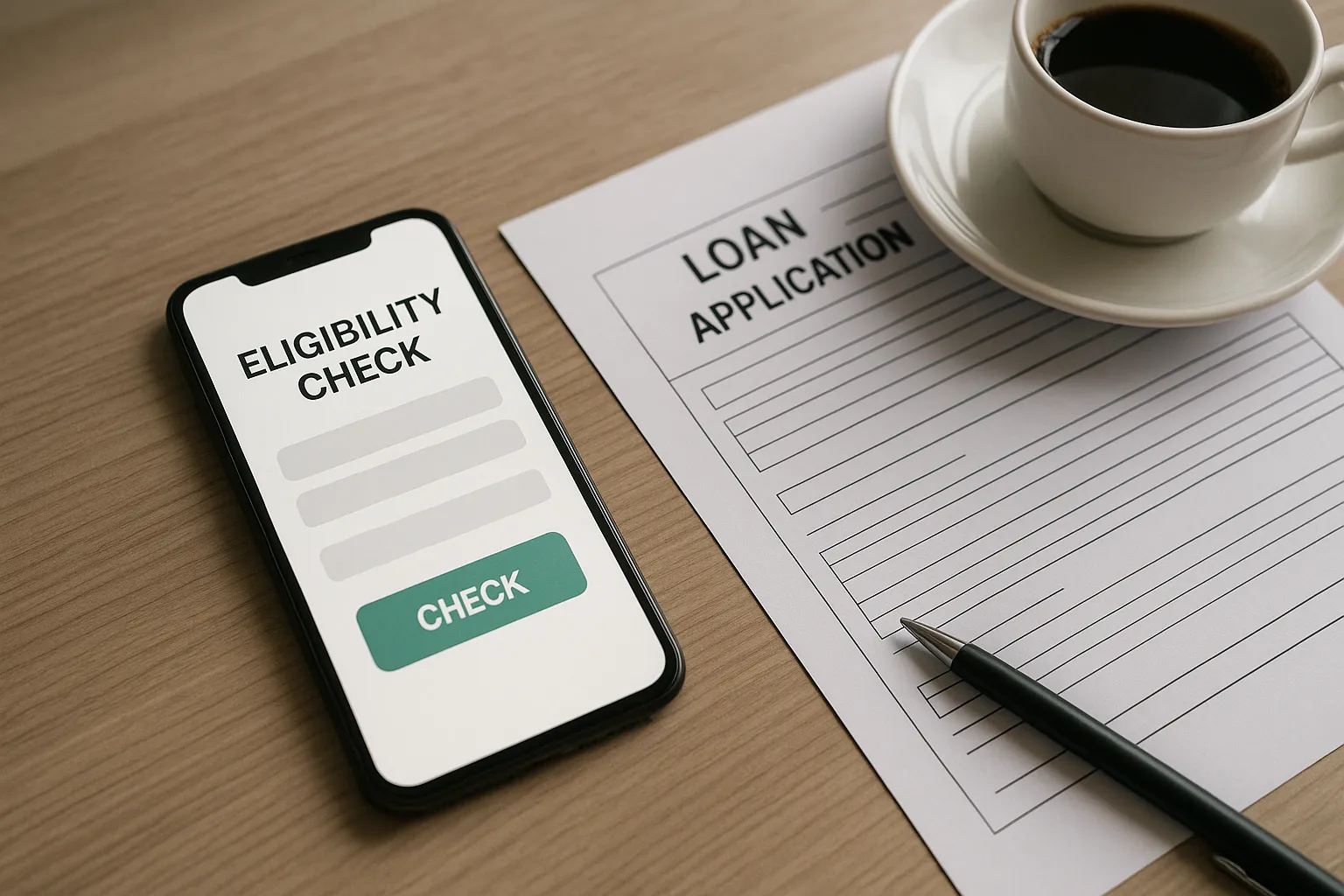
- Eligibility check: if available, this can help you explore options before making a full application.
- Fees and charges: especially late-payment charges or any costs linked to settling early.
- FCA authorisation: always verify who you are dealing with.
- How the funds are used: some lenders pay off existing creditors directly, while others pay you and leave you to clear the balances yourself.
MoneyHelper also recommends being careful with any consolidation offer that seems to solve everything at once without a proper look at the long-term cost.
A 6-Step Check Before You Apply
- List every debt you want to clear. Note the balance, interest rate or APR, monthly payment, and any early-settlement rules.
- Build a realistic monthly budget. Use actual income and essential outgoings, not best-case estimates.
- Compare total cost. Work out whether the new loan will save money, or simply spread the debt over more time.
- Decide what happens to the old credit. If your plan depends on cleared balances staying clear, be honest about that.
- Check your credit files. Errors and outdated information can distort the options shown to you.
- Start with eligibility checks where possible. If you are still shopping around, that can be safer than stacking multiple full applications.
If you are considering borrowing with a weaker credit profile, you may also want to compare bad credit loans, debt consolidation loans, and wider support in our financial tools hub.
Can a Debt Consolidation Loan Hurt Your Credit?
It can affect your credit profile, but the story is usually more nuanced than yes or no.
- A full application may leave a hard search.
- Opening new borrowing changes your credit mix.
- Closing revolving credit accounts can affect available credit and utilisation.
- Paying one loan on time every month can be easier than managing several accounts badly.
In other words, a consolidation loan can temporarily change your file in ways that are not always positive. But over time, it may help if it reduces missed payments and makes the debt easier to manage. That is one reason to avoid rushed applications and instead compare carefully first.
How to Spot a Better Debt Consolidation Loan Offer
A better offer is not always the one with the flashiest headline. Look for signs that the lender is helping you make a sound decision:
- clear information about affordability and eligibility
- plain-English explanation of costs
- realistic terms rather than pressure tactics
- a route to check your chances before a full application
If an advert leans heavily on phrases such as guaranteed approval or no checks, slow down. That is often a cue to look more carefully at the firm and the product.
Want to compare consolidation options without guessing?
If you are weighing up loans for debt consolidation, start with an eligibility check and compare the repayment against your real monthly budget before you commit.
When 118 118 Money May Be Worth Considering
118 118 Money may be worth considering if you want to explore consolidation through a direct lender that understands not every borrower fits a high-street profile.
What matters most is not just whether you can be approved, but whether the loan is a sensible fit for your situation. If you are comparing options, our debt consolidation loans page and personal loans page can help you see whether the repayment structure looks workable. If your credit history is a concern, you can also review bad credit loan options first.
The strongest use case is when consolidation leaves you with one manageable payment, a clear route to repay, and enough breathing room in your budget that you are not forced back into borrowing elsewhere.
FAQ: Loans for Debt Consolidation
Are loans for debt consolidation a good idea?
Loans for debt consolidation can be a good idea if the new repayment is affordable, the total borrowing cost is reasonable, and you are not likely to run balances back up on the debts you clear. They are less helpful when the lower monthly payment only comes from stretching the term too far or when the underlying spending problem has not been fixed.
Is a debt consolidation loan secured or unsecured?
It can be either. An unsecured debt consolidation loan does not require you to put up an asset such as your home or car. A secured loan may offer different rates or borrowing limits, but your asset is at risk if you cannot keep up with repayments.
Can a debt consolidation loan hurt your credit score?
It can affect your credit score in different ways. A full application may leave a hard search, and closing several accounts while opening new borrowing changes your credit profile. Over time, however, a well-managed consolidation loan can help if it simplifies repayments and you pay on time.
What should I compare before taking a debt consolidation loan?
Compare the representative APR, total amount repayable, loan term, monthly payment, fees, eligibility-check options, and whether there are penalties or adjustments for paying early. It is also worth checking if the lender is FCA authorised and whether the loan will actually clear your existing balances in full.
When should I avoid loans for debt consolidation?
You should be cautious if your priority bills are already behind, if your income is too tight for the new repayment, if you would need to secure the loan against an asset you cannot risk, or if you are likely to use the cleared credit again. In those situations, free debt advice may be safer than new borrowing.
How can 118 118 Money help with debt consolidation?
118 118 Money offers personal loans and debt consolidation loans designed for people who may not fit high-street criteria. You can check eligibility first without affecting your credit score, then compare whether the monthly payment and total cost make sense for your budget.