Bad Credit Loans Guaranteed Approval: The UK Reality
Why “guaranteed approval” is usually a red flag in the UK, what lenders must check, and a safer step-by-step way to borrow with bad credit.

If you searched for bad credit loans guaranteed approval, you’re not alone. When money is tight, the words “guaranteed” and “instant” can feel like relief.
But in the UK, “guaranteed approval” is also one of the most common phrases used in misleading adverts and loan scams. The reason is simple: a regulated lender normally has to check whether credit is affordable for you. That means real lenders can’t honestly approve everyone, all the time.
This guide explains what UK lending rules mean in practice, what to watch out for in “guaranteed approval” ads, and a step-by-step safer borrowing framework you can use today.

Why “Guaranteed Approval” Conflicts With UK Lending Rules
In UK consumer lending, responsible lenders typically carry out a creditworthiness assessment (often including an affordability check). In other words: a lender shouldn’t just look at whether you’ve repaid credit in the past, but also whether the repayments are likely to be manageable for you now.
That’s why blanket statements like “everyone accepted” are suspicious. If a firm genuinely approves every application regardless of income and outgoings, the risk of unaffordable lending rises quickly.
If you want to see the regulator’s expectations for lenders in black and white, the FCA sets out rules and guidance in its Consumer Credit sourcebook (CONC), including sections on creditworthiness assessment and financial promotions (ads must be clear, fair, and not misleading).
What Lenders Usually Look At (Even When You Have Bad Credit)
“Bad credit” is a wide label. One lender’s decline can be another lender’s “maybe”, depending on the full picture. In practice, lenders commonly consider:
- Your current budget: income, essential bills, and existing commitments
- Recent account conduct: missed payments, arrears, overdraft use
- Public record markers: for example a County Court Judgment (CCJ). If that’s you, start with CCJ Loans: Can You Get a Loan With a CCJ?
- Stability signals: address history, time at job, being on the electoral roll
- Existing credit usage: high utilisation can reduce options even if payments are up to date
That’s also why “pre-check” tools can be useful. They let you explore options without stacking multiple full applications. For example, on our site you can check eligibility first for a bad credit loan or a debt consolidation loan before deciding whether to apply.
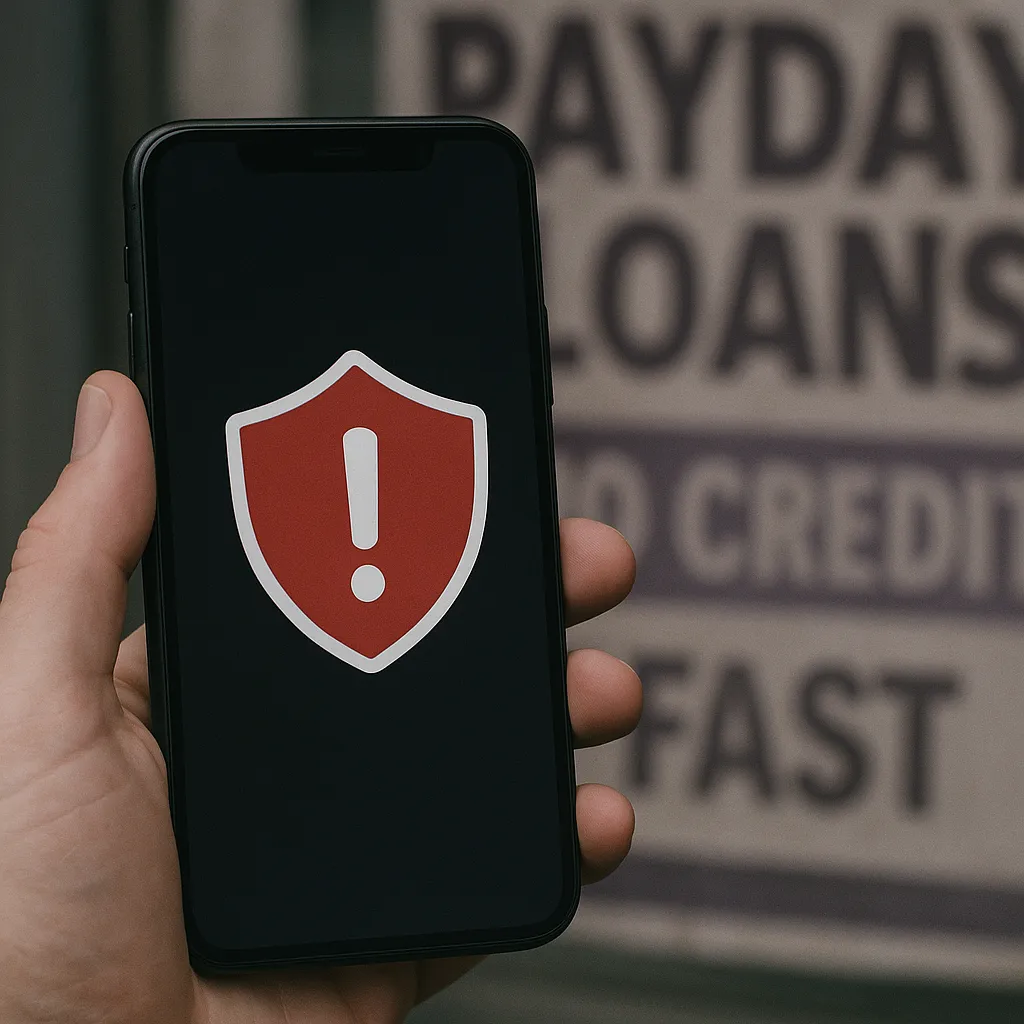
Red Flags: When “Guaranteed Approval” Might Be a Trap
Some ads are just sloppy marketing. Others are actively dangerous. Slow down if you see any of these:
1) Upfront fees to “release” the loan
Legitimate lenders and brokers can charge fees in some situations, but loan scams often demand an upfront payment (by bank transfer, gift card, or crypto) and then disappear. If you’re being asked to pay first, treat it as a serious warning.
2) No proof the firm is authorised
In the UK, many financial firms must be authorised by the Financial Conduct Authority. You can check a firm’s details using the FCA Register: FCA Register. If the name, web address, or contact details don’t match, don’t proceed.
3) Pressure tactics
Phrases like “approved in 60 seconds, only today” are designed to rush you past the checks that protect you: comparing total cost, reading terms, and confirming who you’re dealing with.
4) Promises that your credit score “doesn’t matter”
Your credit score isn’t everything, but it is information lenders use. A promise that it’s irrelevant can be code for “we’re not doing proper checks” or “we’ll charge you heavily for the risk”.
For more general scam-spotting advice, MoneyHelper has clear guidance on avoiding scams and protecting yourself: MoneyHelper banking scams.

A Safer Borrowing Framework (Use This Before You Apply Anywhere)
If you’ve been declined before, the temptation is to keep clicking until something sticks. That can backfire. Use this 6-step framework instead.
Step 1: Write down the real purpose of the loan
There’s a big difference between borrowing for a one-off expense (car repair, replacement appliance) and borrowing to cover ongoing shortfalls (food, rent, minimum payments). If it’s the second category, it’s often safer to pause and get free support first (for example from Citizens Advice).
Step 2: Build a “minimum viable budget”
List income, then essentials (housing, council tax, utilities, travel, food, childcare) and existing credit commitments. Whatever is left is your realistic repayment headroom. If the repayment only fits when everything goes perfectly, it’s a high-risk loan.
If you want structured help, our budget planner is designed to make this faster.
Step 3: Check the lender’s status
Use the FCA Register and make sure the details match exactly. If something is off, stop.
Step 4: Compare total cost, not just the monthly payment
Two loans can have the same monthly payment but very different total repayable amounts. Always compare:
- APR (as a broad comparison tool)
- Total amount repayable
- Fees and charges (including late fees)
- Whether the rate is fixed or variable
Step 5: Prefer eligibility checks before full applications
Multiple full applications close together can reduce your options. If a lender offers an eligibility check that won’t affect your credit score, consider starting there rather than submitting lots of full forms.
At 118 118 Money, you can start with an eligibility check on bad credit loans and debt consolidation loans.
Step 6: Have an exit plan
Before you borrow, decide what changes after the loan arrives. Examples: cancelling unused subscriptions, closing a store card after it’s repaid, or setting a calendar reminder for payment dates. The loan is meant to solve a problem, not become the next one.

How to Shop for Bad Credit Loans Safely (Checklist)
- Slow down: avoid applying the same day you feel panicked.
- Verify the firm on the FCA Register and confirm the contact details match.
- Never pay upfront to “unlock” a loan.
- Read the total repayable and check charges for late payments.
- Watch the term: longer terms can reduce monthly payments but increase overall cost.
- Use eligibility checks where available to reduce unnecessary hard searches.
If You’re Trying to Consolidate Debt
Many people searching “guaranteed approval” aren’t looking for extra spending money. They’re trying to get out of the cycle of juggling credit cards, overdrafts, and multiple loan payments.
A debt consolidation loan can help if it genuinely reduces complexity and the repayment is affordable. But it’s not automatically cheaper.
Before consolidating, compare the total cost and be honest about behaviour: if old credit lines stay open and get used again, debt can increase.
Check options without the guesswork
If you want to explore borrowing with bad credit, start with an eligibility check that won’t affect your credit score.
How 118 118 Money Approaches Eligibility Responsibly
118 118 Money is a direct lender focused on helping people who may not fit high-street criteria. We still take responsible lending seriously.
- Eligibility check first: you can see if you’re likely to be accepted without affecting your credit score.
- Affordability matters: we assess whether repayments are manageable based on your circumstances.
- No guarantor needed: if you want to avoid involving family or friends, see no guarantor loans alternatives.
If you want a broader walkthrough of improving your chances without rushing, our article 7 Steps to Obtaining Loans With Bad Credit is a practical next read.
FAQ: Bad Credit Loans Guaranteed Approval
Do bad credit loans with guaranteed approval exist in the UK?
Be cautious. In the UK, regulated lenders typically must carry out creditworthiness and affordability checks, so they can’t promise approval for everyone. Ads that say “guaranteed approval” are often either misleading marketing or a sign you should investigate the lender carefully.
Why do lenders do affordability checks?
Affordability checks help a lender assess whether the repayments are sustainable for you, based on your income, essential bills, and existing credit commitments. The aim is to reduce the risk of lending that could put you in financial difficulty.
What are red flags in guaranteed approval loan ads?
Common red flags include requests for upfront fees, pressure to act immediately, vague company details, no FCA authorisation, and promises that your credit score “doesn’t matter” or that “everyone is accepted” without checks.
How can I shop safely for a bad credit loan?
Start with a realistic budget, check the lender is FCA authorised, compare total cost (APR and total repayable), and prefer eligibility checks that don’t leave a hard footprint until you proceed. Avoid multiple full applications in a short period.
Can debt consolidation help if I have bad credit?
It can help some people by replacing several repayments with one fixed payment, but it depends on the rate and the term. Consolidating over a longer period can reduce the monthly payment but may increase the total cost. Always compare the total repayable.
How does 118 118 Money assess eligibility?
118 118 Money uses an eligibility check for loans that won’t affect your credit score, then assesses applications based on your circumstances, including affordability. This helps ensure borrowing is offered responsibly and repayments are manageable.