Motorbike MOT Check: What Riders Need to Know
Learn how a motorbike MOT check works, how to check due dates and history, what is tested, and how to avoid surprise repair costs.
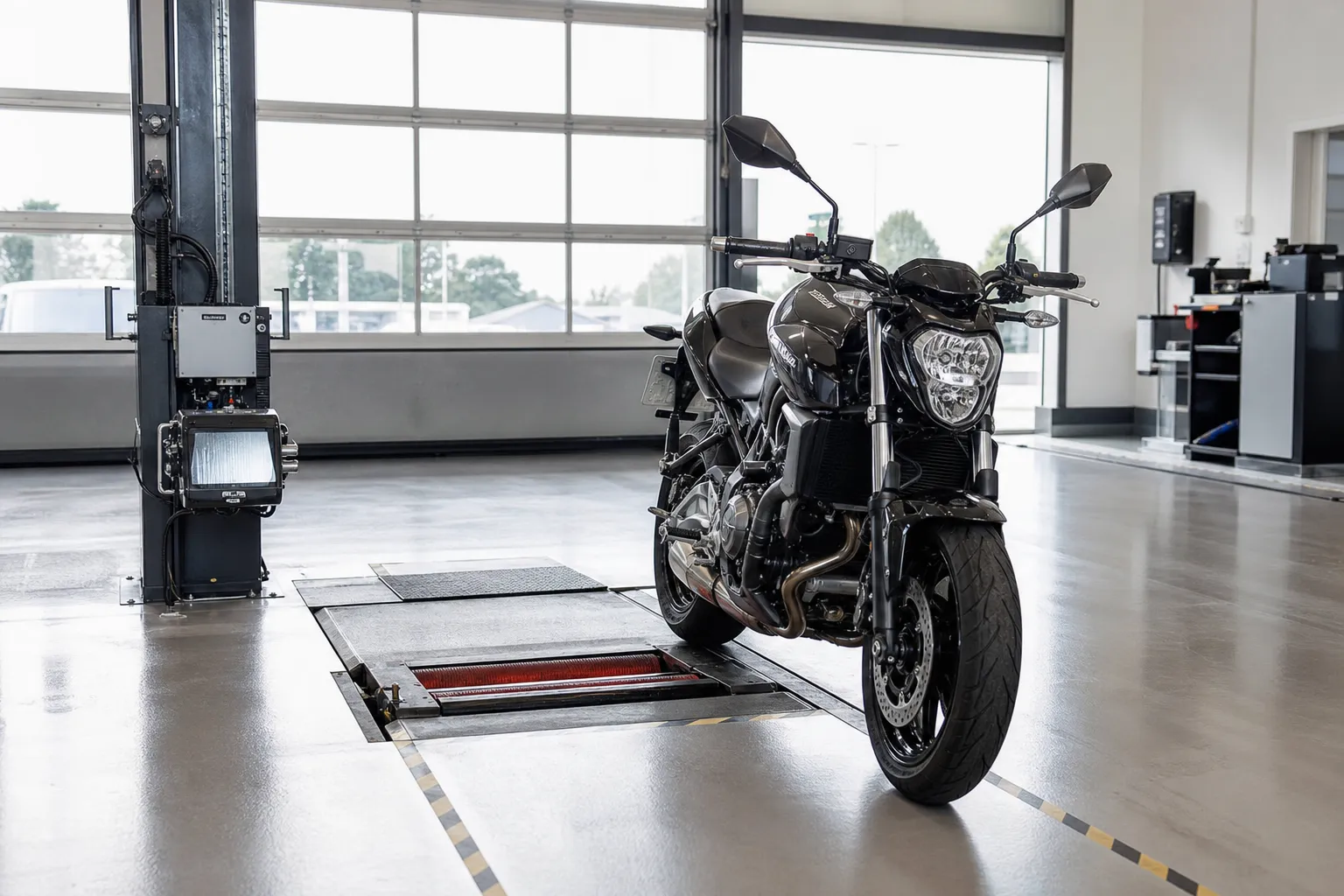
If you are searching for a motorbike MOT check, you probably want one of three things fast. You want to know whether your bike’s MOT is still valid, you want to see its MOT history before you buy, or you want to cut the risk of a fail and an awkward repair bill.
All three matter. In Great Britain, most motorcycles need their first MOT by the third anniversary of registration, the maximum MOT fee for a standard motorcycle is £29.65, and the official GOV.UK services let you check both current status and test history online. A motorbike MOT check is not just about staying legal. It is also one of the simplest ways to spot likely costs before they hit all at once.
Quick answer: use the GOV.UK MOT status checker to see whether your motorcycle has a valid MOT and when it expires. Then use the GOV.UK MOT history service to review past passes, failures, mileage, advisories, and certificates. If you are a rider trying to avoid surprise bills, check both, not just the expiry date.
How to Do a Motorbike MOT Check Online
The official process is simple. You only need the registration number.
- Go to the GOV.UK MOT status checker.
- Enter the bike’s registration number.
- Check whether the MOT is valid and note the exact expiry date.
- If you need more detail, open the MOT history service to review previous results, advisories, and certificates.
That second step matters more than many riders realise. The current status tells you when the certificate runs out. The history tells you whether the same issues keep coming back. If a bike has a pattern of tyre advisories, lighting faults, brake issues, or steering-related problems, that gives you a better idea of what the next MOT might cost.
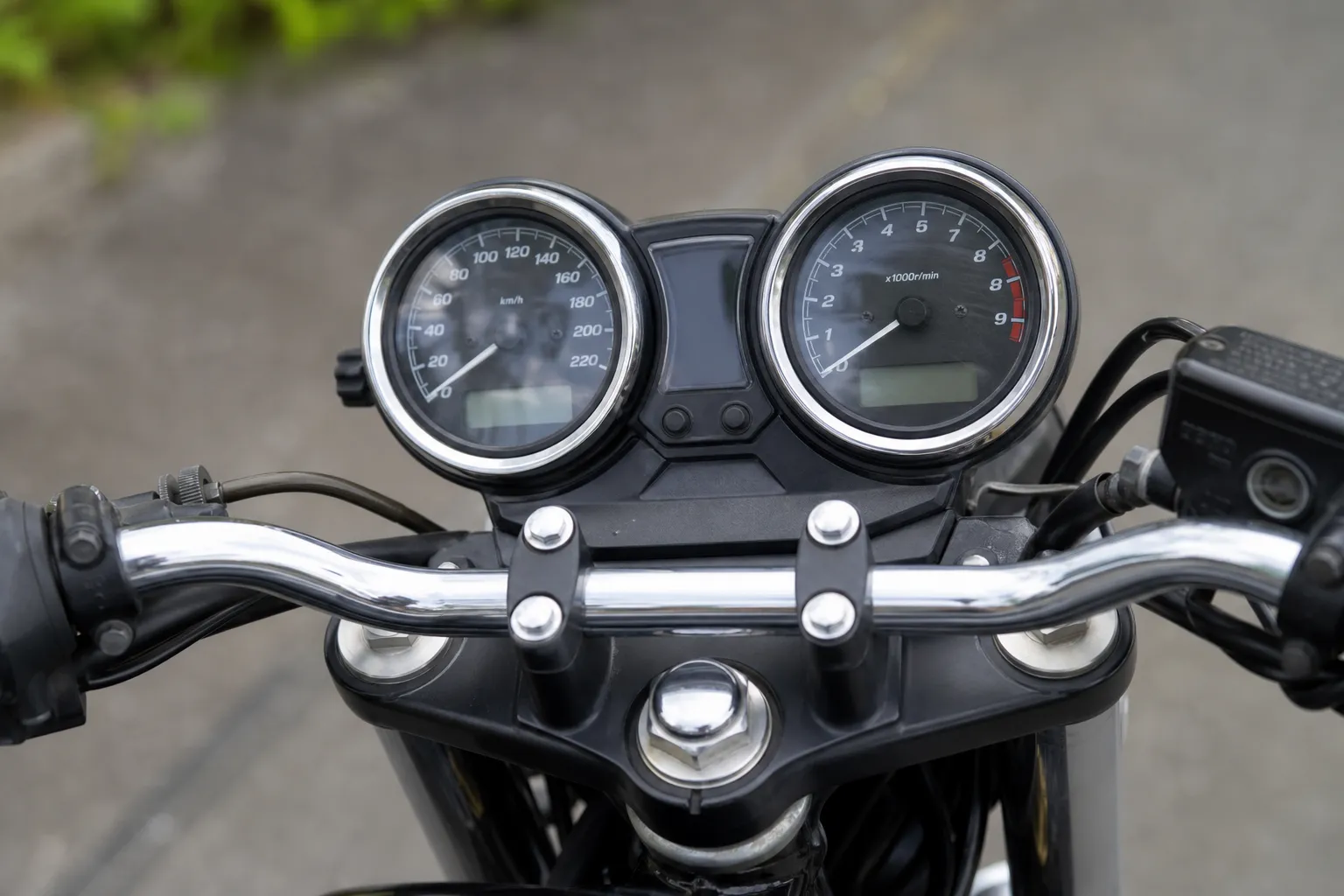
What a Motorbike MOT Check Shows You
The online result can tell you:
- whether the motorcycle currently has a valid MOT
- when the MOT expires
- whether past tests were passes or fails
- recorded mileage at test time
- minor defects, major defects, dangerous defects, and advisories
- whether certificates can be downloaded
- some safety recall information depending on the manufacturer
For riders shopping for a used bike, this is valuable because it helps you look beyond the asking price. A motorbike that seems cheap can become expensive quickly if the history shows recurring defects or signs that routine maintenance has been delayed.
If you are checking your own bike, the same principle applies. The MOT history is a planning tool. It can help you spread costs before they bunch together around the next test date.
When Does a Motorbike Need an MOT?
For most motorcycles in Great Britain, the first MOT is due by the third anniversary of registration. After that, it is usually every year. GOV.UK’s fee table confirms the three-year point for standard motorcycles and shows the maximum fee for class 1 and class 2 motorcycles.
If you want to keep the same renewal date, you can usually have the test done up to one month minus a day before the current MOT expires without losing the anniversary. That gives you a sensible window to book early and still keep the same due month.
That early window matters financially. If you leave the test until the last minute and the bike fails, you may be dealing with repair costs, travel disruption, and rebooking stress all in the same week.
How Much Does a Motorcycle MOT Cost?
According to GOV.UK, the maximum fee for a standard motorcycle MOT is £29.65. A motorcycle with a sidecar has a different maximum fee, but for most riders searching for a motorbike MOT check, £29.65 is the key number.
That fee is only the start of the likely cost though. The real expense can include:
- repairs after a fail
- partial or full retest fees depending on the timing
- replacement parts such as tyres, bulbs, or brake components
- other transport costs if the bike is off the road
This is why MOT admin and money management go together. The test fee is predictable. The repair bill often is not. If you know your bike’s due date in advance, you have a chance to set money aside before the pressure lands.
That same habit shows up in our guides on building a stronger financial foundation and creating an emergency savings buffer. Routine annual costs are easier to handle when they are planned for before they become urgent.
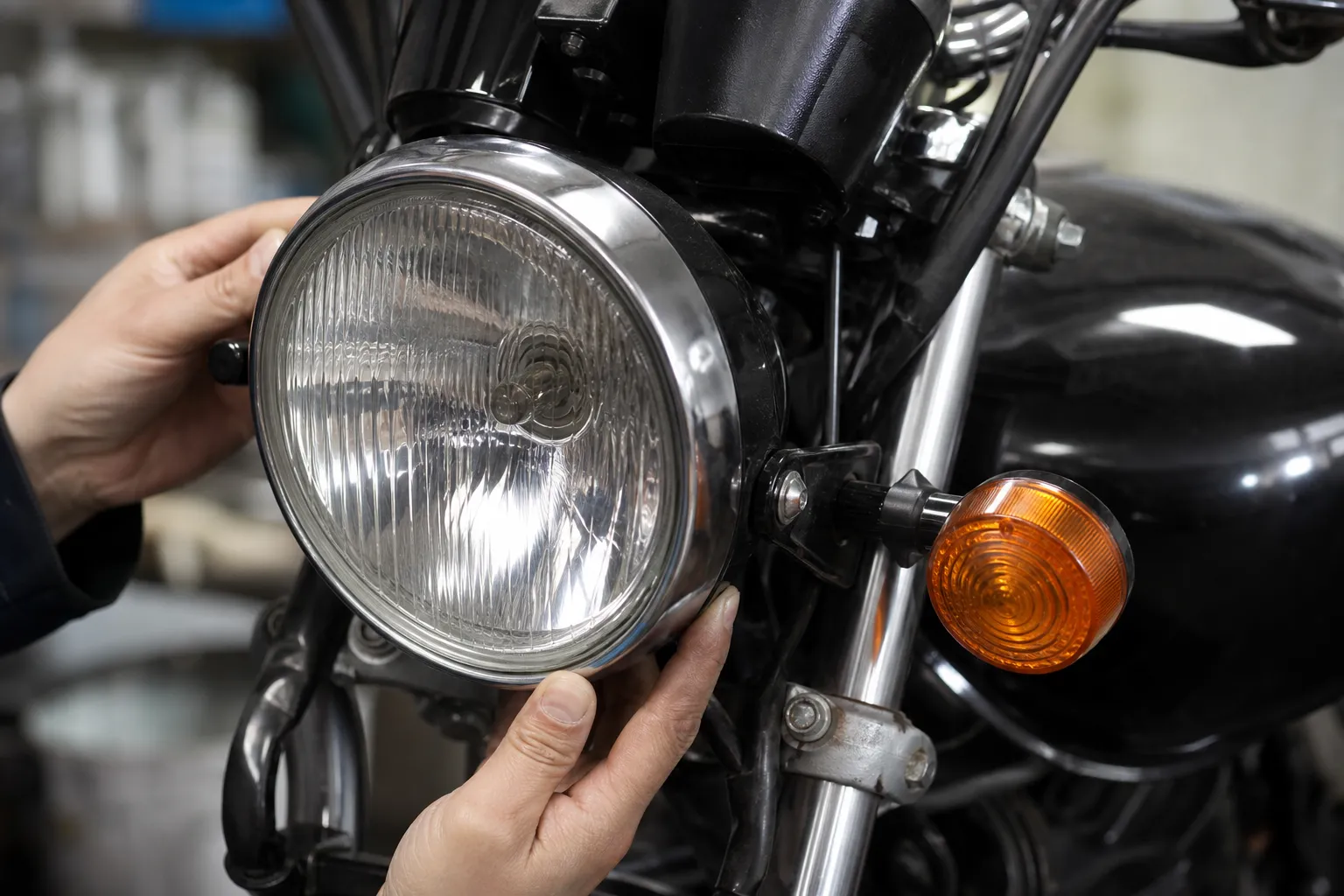
What Is Checked in a Motorcycle MOT?
The motorcycle MOT focuses on whether the bike meets the required minimum standards at the time of the test. The detailed rules sit in the DVSA motorcycle MOT inspection manual, but in plain English the test commonly looks at areas such as:
- lights, indicators, and reflectors
- brakes and braking performance
- tyres, wheels, and tread depth
- steering and suspension
- frame condition and general structure
- registration plate condition
- horn
- mirrors where required
- exhaust, noise, and emissions-related checks where relevant
The result can include minor defects, major defects, dangerous defects, or advisories. A pass with advisories is not the same as a clean bill of health. It often means the bike passed today but may need attention before the next test rolls around.
What a Motorcycle MOT Does Not Tell You
A motorbike MOT check is useful, but it has limits. It does not replace a proper service or a detailed mechanical inspection. It confirms that the bike met certain legal standards at the time of the test. It does not promise a full picture of long-term reliability or maintenance quality.
That matters if you are buying used. A bike can pass an MOT and still need work on wear-and-tear items, servicing, chain maintenance, fluids, or components that are not fully captured by the test in the way a buyer might assume. So use the MOT history as one part of the decision, not the whole decision.
If the bike looks attractive on price but the history shows repeated warnings, budget for that risk rather than hoping the next year will somehow be different.
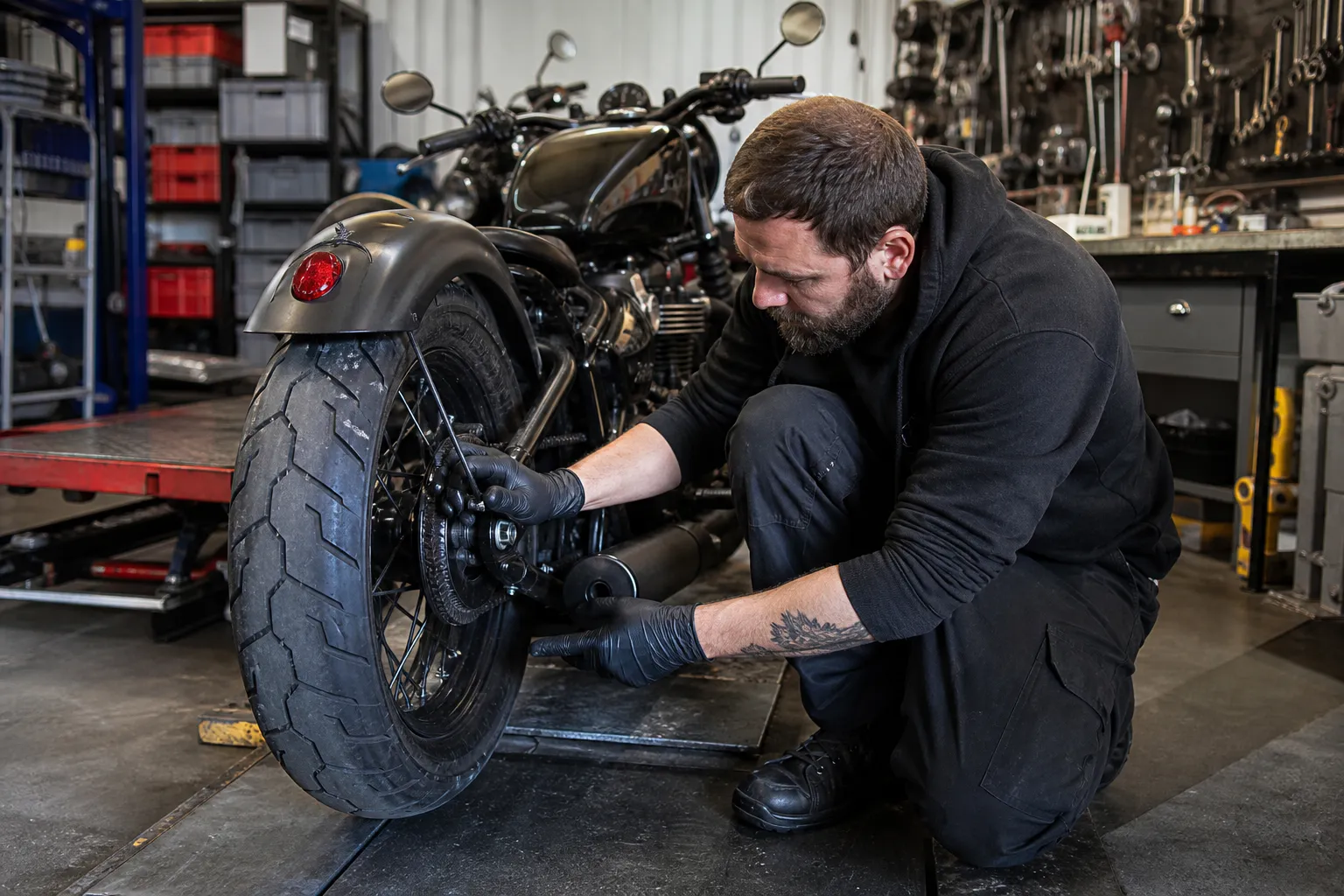
How to Read Motorcycle MOT History Properly
When you look at the history, do not just scan for pass or fail. Look for patterns.
Useful questions to ask include:
- Are the same advisories appearing year after year?
- Did the bike fail for something simple, or for issues that suggest neglect?
- Does the mileage record look consistent?
- Are there long gaps followed by clusters of faults?
A single fail is not always a red flag. Plenty of bikes fail on routine issues that get fixed quickly. Repeated mentions of tyres, brakes, lights, steering, or corrosion-related concerns are more useful signals because they suggest a pattern that could affect ownership costs.
If you want the same logic for cars as well, our article on how to check MOT history online explains how repeat advisories can help you spot likely future bills.
Simple Checks to Do Before a Motorcycle MOT
You do not need to be a mechanic to make a basic pre-test check worthwhile. Before the appointment, it is sensible to review:
- Lights: make sure the headlight, tail light, brake light, and indicators all work.
- Tyres: check tread depth and look for cuts, bulges, or obvious wear. GOV.UK says motorcycles need at least 1mm of tread depth.
- Number plate: make sure it is secure, visible, and readable.
- Brakes: pay attention to anything that feels weak, noisy, or unusual.
- Mirrors and horn: check they are present and working where required.
- General condition: look for anything loose, damaged, or clearly unsafe.
These checks will not guarantee a pass, but they can reduce the chance of failing on something simple and avoidable. If you want a broader pre-test routine, our pre MOT check guide is a useful companion read.
Can You Ride a Motorbike Without an MOT?
Usually no. GOV.UK says you can be fined up to £1,000 for driving or riding a vehicle without a valid MOT. There are limited situations where you may travel to a pre-arranged MOT appointment or to repairs after a fail, but the motorcycle still needs to be roadworthy.
That point is easy to miss. An MOT booking does not make an unsafe bike legal. GOV.UK also says you can be fined up to £2,500, receive 3 penalty points, and even face a ban for using a vehicle in a dangerous condition. So the MOT certificate is important, but roadworthiness matters all year, not just on test day.

Buying a Used Bike? Always Run a Motorbike MOT Check First
If you are looking at a used motorcycle, an MOT check should be one of the first things you do. It is quick, free, and can reveal more than the advert does.
It will not tell you everything, but it can help you spot:
- repeat failures or advisories
- mileage that does not look consistent
- a history of neglect on basic safety items
- signs that the bike may bring near-term repair bills
That matters because the cheapest bike to buy is not always the cheapest bike to own. If the history suggests catch-up maintenance is coming, the real price may be far higher than the one in the listing.
Set a Reminder So the MOT Does Not Sneak Up on You
The easiest way to avoid last-minute stress is to make the date harder to forget. GOV.UK offers a free MOT reminder service by text or email for cars, vans, and motorcycles in Great Britain. You can also add the date to your own calendar at the same time.
That small admin habit can make a big difference. It gives you time to book in the early renewal window, look at the history, and build a small buffer for likely repairs instead of scrambling when the expiry date is almost here.
How 118 118 Money Can Help You Stay Ahead of Bike Costs
At 118 118 Money, we talk a lot about financial fitness because routine costs have a habit of becoming disruptive when they arrive without a plan. A motorbike MOT is a good example. The test itself is not usually the biggest bill. The stress often comes from leaving the check too late, missing the warning signs in the bike’s history, or having repair costs land in a busy month.
That is why simple habits matter. Check your MOT date early, read the history properly, and treat annual motoring costs like something to budget for rather than react to. If you are trying to get more control over your wider money flow, our blog also covers everyday saving strategies and the broader cost of staying on the road. The aim is not just passing the next MOT. It is making sure routine bills do not throw your month off balance.
Frequently Asked Questions
How do I do a motorbike MOT check online?
Use the official GOV.UK MOT status checker with the motorcycle’s registration number. It will show whether the bike has a valid MOT and when it expires. You can then use the MOT history service for past results and advisories.
How much is a motorcycle MOT in the UK?
GOV.UK says the maximum fee for a standard motorcycle MOT is £29.65. Some garages may charge less, but they cannot charge more than the maximum standard fee.
When does a motorbike need its first MOT?
Most motorcycles in Great Britain need their first MOT by the third anniversary of registration and then every year after that.
What is checked on a motorcycle MOT?
The MOT looks at areas such as lights, brakes, tyres, steering, suspension, frame condition, number plate, horn, mirrors where required, and some exhaust and emissions-related items.
What tyre tread depth does a motorcycle need for an MOT?
According to GOV.UK, motorcycles need at least 1mm of tread depth. Mopeds only need visible tread.
Can I ride my bike if the MOT has expired?
Usually no. You may be able to ride to a pre-booked MOT appointment or to repairs after a fail, but the motorcycle still needs to be roadworthy.
Does an MOT pass mean a used bike is definitely a good buy?
No. An MOT pass shows the bike met the test standard at the time of inspection. It does not replace a broader mechanical inspection or guarantee low maintenance costs.
Why should I check the MOT history as well as the due date?
The due date tells you when the certificate expires. The history helps you spot recurring advisories, repeated failures, mileage patterns, and likely future costs.