Cancel Car Tax the Right Way and Get Your Refund
Learn how to cancel car tax in the UK, when refunds apply, what happens after you sell or SORN a car, and how to avoid common DVLA mistakes.
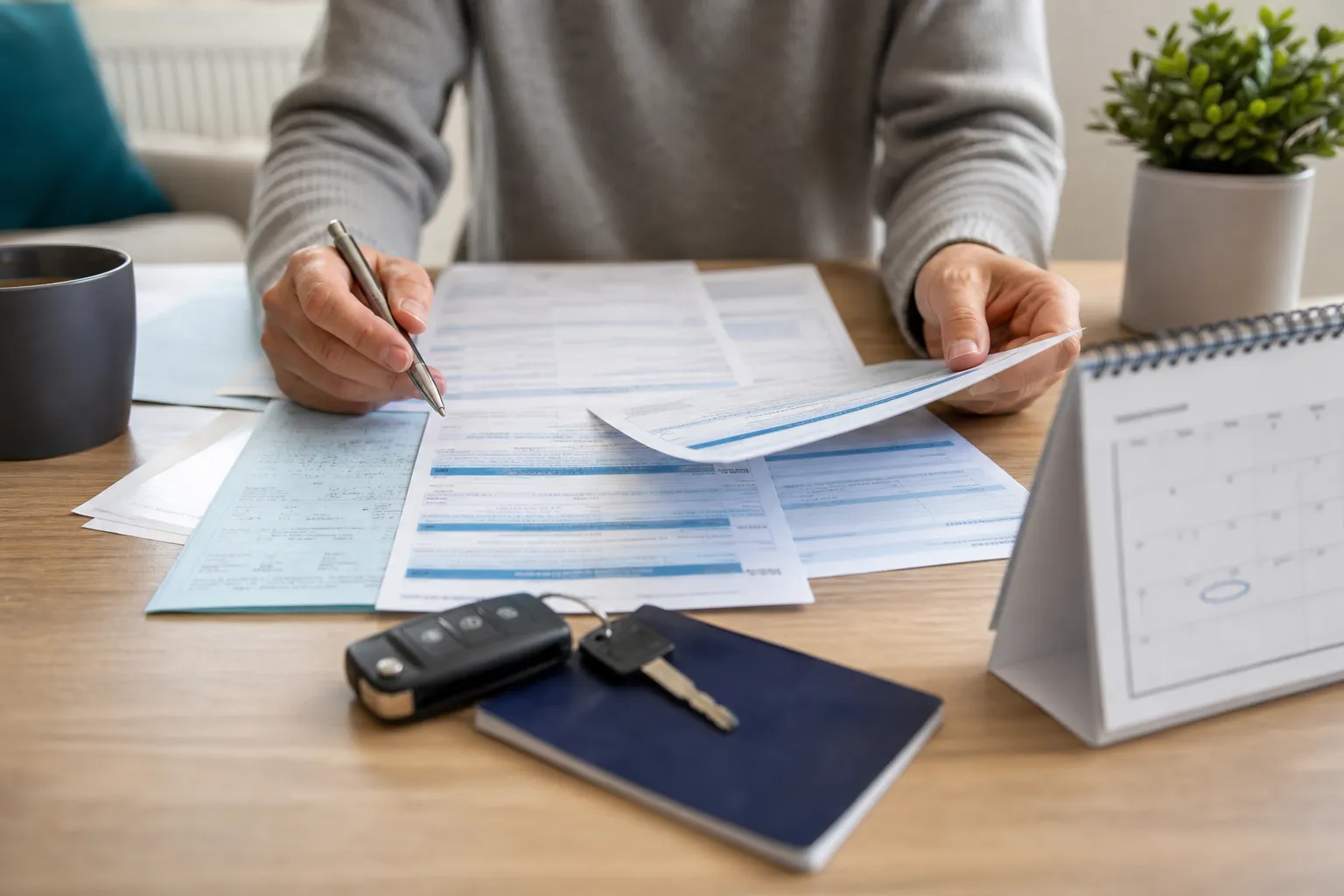
If you are searching how to cancel car tax, you usually want one of two things. You either want the tax to stop because you no longer keep the car, or you want to make sure a refund is on the way and you will not keep paying for a vehicle you have sold, scrapped, exported, or taken off the road.
The key point is simple. In the UK, you do not usually cancel vehicle tax with a standalone cancellation form. Instead, the tax ends when you tell DVLA about the change that affects the vehicle record. That could be a sale, a transfer, a SORN, a write-off, export, or another qualifying change.
This guide explains the situations where car tax can be cancelled, how refunds work, what documents matter, and the small mistakes that can leave people thinking the job is done when it is not.
The Quick Answer
To cancel car tax, you normally need to tell DVLA that one of the following has happened:
- you sold or transferred the vehicle
- you made a SORN because it is off the road
- the vehicle was written off, scrapped, stolen, or exported
- the vehicle became tax exempt
If DVLA accepts the update, vehicle tax is cancelled and any refund for full remaining months is usually issued automatically.
When You Can Cancel Car Tax
Car tax can be cancelled when you stop being responsible for taxing that vehicle, or when the vehicle moves into a status where it should no longer be taxed in the usual way.
The most common examples are:
- You sold the car or transferred it to someone else. Once you tell DVLA, the tax ends and it does not pass to the buyer.
- You are keeping it off the road. If the car is not being used or parked on a public road, you can make a SORN and the tax is cancelled.
- The car was scrapped or written off. The vehicle record needs to be updated properly so you are no longer shown as responsible.
- The vehicle was exported. Exporting it out of the UK is another route that ends vehicle tax in the UK system.
- The vehicle became exempt. Some vehicles still need to be taxed at a nil rate, but if DVLA records the vehicle as exempt, the old paid tax can end.
What does not usually work is simply stopping a Direct Debit and assuming that means the tax is cancelled. The payment method and the legal status are not the same thing.
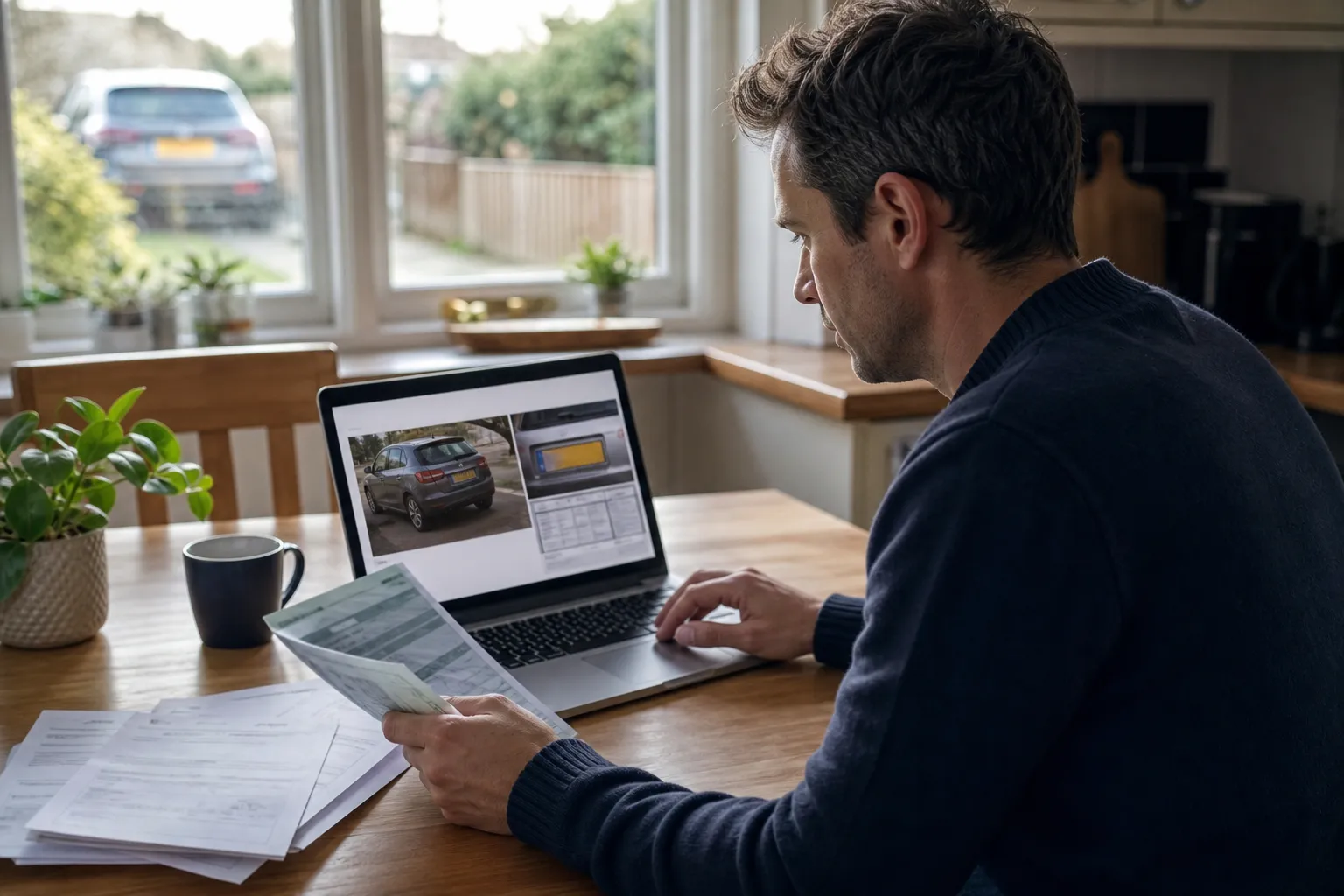
How to Cancel Car Tax After Selling a Car
Selling a car is the situation people ask about most often. The important rule is that vehicle tax does not transfer to the new keeper. When ownership changes, the buyer must tax the vehicle before using it on the road.
Your part is to tell DVLA that you no longer own the vehicle. Once that is processed, the old tax is cancelled and any refund for full unused months is usually issued automatically.
A simple way to think about it is this:
- Tell DVLA the vehicle has been sold or transferred.
- Wait for the record to update.
- Your tax ends from that point in the DVLA system.
- The buyer sorts out their own vehicle tax before driving it.
If you leave the update too long, you risk confusion over tax, fines, or other notices still coming to you. That is why it helps to do the keeper change straight away rather than relying on the buyer to sort everything later.
If you are buying a used car, it is worth checking the status before money changes hands. Our guide to checking tax and MOT status can help you spot whether the admin side looks current.
How to Cancel Car Tax With a SORN
If the vehicle is staying off the public road, you usually do not “cancel” the tax in isolation. You make a Statutory Off Road Notification, usually called a SORN.
That tells DVLA the vehicle is being kept off the road, for example in a garage, on a driveway, or on other private land. Once the SORN is accepted, the tax is cancelled and a refund for any full remaining months is usually handled automatically.
This matters because an untaxed vehicle on a public road is still a problem even if you are not driving it. SORN is only for vehicles genuinely kept off the public road.
If your goal is to cut costs for a few months while a car is unused, SORN can be a legitimate route. But if the car will still be on the street, it is the wrong one.
Do You Get a Refund When You Cancel Car Tax?
In many cases, yes. DVLA says refunds are usually paid for any full months of remaining tax after cancellation.
That full-month rule catches people out. If your tax is cancelled part-way through a month, you would not normally get that part-month back. So if timing is tight, it is useful to understand that the refund logic works by calendar months rather than exact day counts.
Refunds are commonly triggered when:
- you tell DVLA the vehicle has been sold or transferred
- you make a SORN
- the vehicle is scrapped or written off
- the vehicle is exported
- the vehicle becomes exempt
Refunds are usually sent automatically once the record change is processed. If you pay by Direct Debit, the mandate should also be cancelled when the tax ends, but it is still sensible to check your bank and your DVLA confirmation rather than assuming it all happened cleanly.
What Documents You May Need
The right document depends on what you are trying to do.
- V11 reminder: useful for taxing a vehicle when you have the reminder.
- V5C log book: needed in many vehicle record and taxation situations, and it should be in your name.
- V5C/2 new keeper slip: often used by someone who has just bought the vehicle and needs to tax it.
If you no longer have the log book, the process can slow down. DVLA says that if you do not have a V11, V5C, or V5C/2, you may need to apply for a new log book and can tax the vehicle at the same time. That matters if you are on the buying side, but it can also affect how quickly any record issue gets untangled.
If the car has just passed its test and you are trying to tax it right away, be aware that MOT updates can take time to feed through. Our guide on checking your MOT date is useful if you are trying to line up all the admin in the right order.
Common Mistakes That Cause Problems
Most car tax problems are not caused by the rules being hidden. They are caused by doing one step and assuming that covered three others.
The most common mistakes are:
- Cancelling the Direct Debit only. This can stop payments, but it does not by itself update the vehicle record or make the car legally untaxed in the right way.
- Thinking tax passes to the buyer. It does not. The buyer needs their own tax.
- Leaving the seller notification too late. If DVLA still shows you as keeper, letters and enforcement can still point your way.
- SORNing a car that is still on the road. A SORN vehicle must stay off the public road.
- Assuming reminders are guaranteed. DVLA reminders are helpful, but not receiving one is not a defence for missing the legal requirement.
That last point is worth remembering. If you like simple admin routines, it can help to treat tax, MOT, and insurance as one annual checklist rather than three separate tasks. Our guide to car insurance renewal shows the same pattern: leaving it late usually means less control.
Can You Stop Paying by Direct Debit?
You can choose not to keep paying by Direct Debit, but that is not the same as properly cancelling car tax.
DVLA lets drivers pay vehicle tax yearly, every 6 months, or monthly by Direct Debit. Monthly and 6-month payments carry a surcharge, while yearly payments do not. If your vehicle tax ends because you sold the car, made a SORN, or otherwise updated the record correctly, the Direct Debit should be cancelled as part of that process.
If you simply cancel the mandate at your bank without sorting the vehicle status, you can create a mess for yourself. The legal requirement to tax the vehicle or declare it off the road does not disappear just because the payment collection stopped.
What Happens If You Forget?
Forgetting can get expensive. DVLA enforcement guidance says untaxed vehicles can trigger enforcement action, including out-of-court settlements and clamping in some situations.
That is why “I thought I had cancelled it” is not a great position to be in. If you sold the car, tell DVLA. If it is off the road, make a SORN. If you still use it, tax it properly.
It also helps to keep the surrounding car admin in sync. MOT delays, insurance gaps, and tax issues often bunch together because they are all easy to ignore until a reminder lands. If you want to reduce that last-minute pressure, our guide on the best time to renew car insurance is a useful companion read.
Electric Cars and New Vehicle Tax Rules
Electric car tax has changed, which means some drivers searching how to cancel car tax are really trying to understand whether an EV still needs attention from DVLA.
Since 1 April 2025, electric, zero-emission, and low-emission vehicles have been brought into the vehicle tax system. GOV.UK says that from 1 April 2026 to 31 March 2027:
- electric cars registered on or after 1 April 2025 pay £10 in the first year and then the standard annual rate after that
- electric cars registered between 1 April 2017 and 31 March 2025 pay the standard annual rate
- electric cars registered between 1 March 2001 and 31 March 2017 pay a lower annual rate
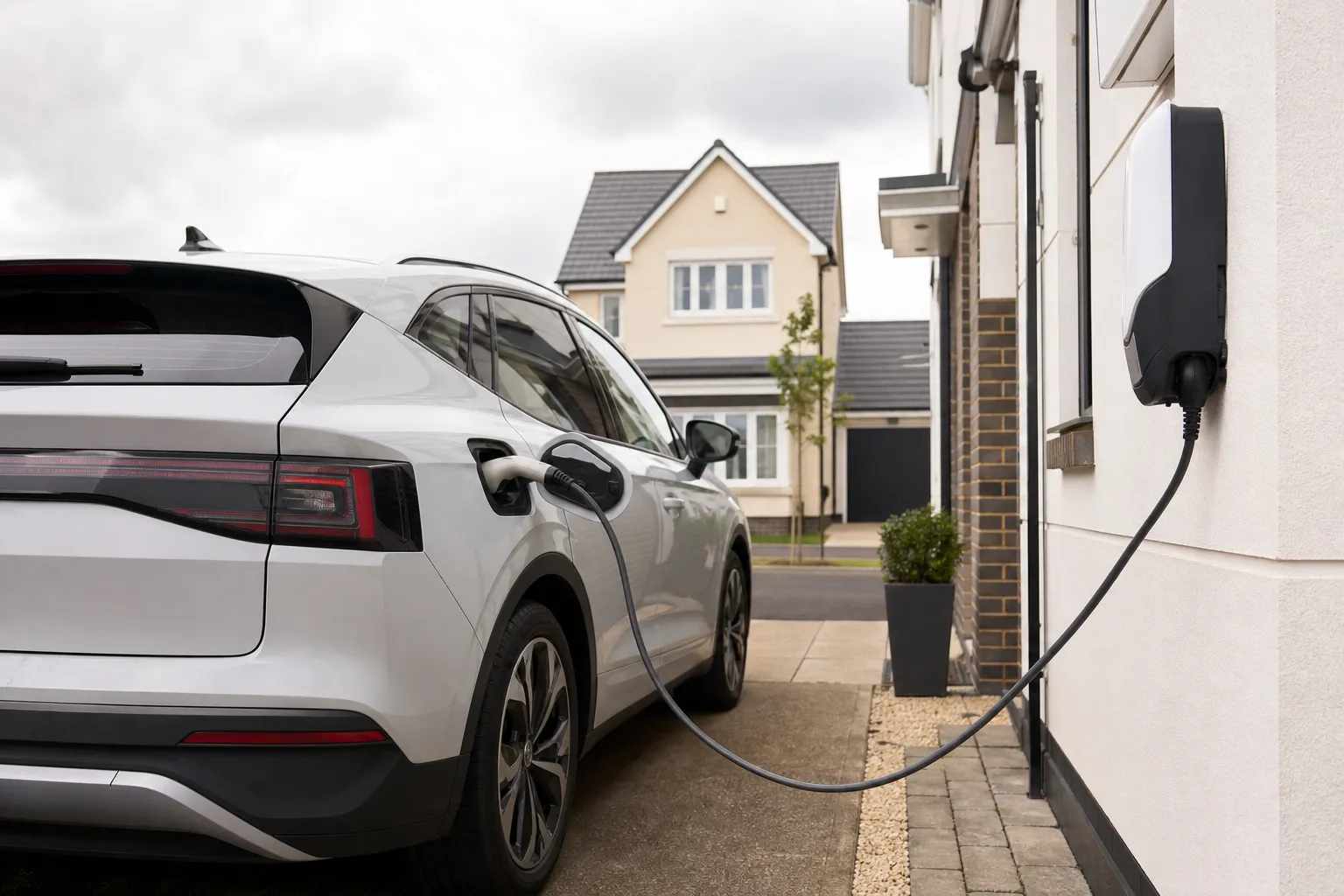
So while many people still think of EVs as tax-free, that is no longer the simple rule. If an electric car is sold, exported, or taken off the road, the same logic around updating the record and cancelling tax still matters.
A Simple Cancel Car Tax Checklist
If you want the shortest version possible, use this checklist:
- Work out why the tax should end: sale, transfer, SORN, export, scrappage, write-off, or exemption.
- Tell DVLA through the correct GOV.UK route.
- Check that the vehicle record has updated.
- Watch for refund confirmation if full months are left.
- If you were paying by Direct Debit, confirm the payments stop.
- If someone else now keeps the vehicle, remember they must tax it themselves.
How 118 118 Money Can Help You Stay on Top of Car Costs
At 118 118 Money, we know car costs rarely arrive one at a time. Tax, MOT, insurance, fuel, and repairs tend to land in clusters, especially when admin slips or a renewal catches you late.
That is why our blog focuses on practical money guidance as well as borrowing. If car tax is part of a wider budgeting squeeze, you can explore more of our motoring explainers, read our guides on tax and MOT checks, or browse our support on loans and credit cards if you want to understand what options may fit your situation.
Take Control of Your Finances
Explore practical support for borrowing, budgeting, and building healthier money habits
FAQ
Can you cancel car tax online?
Yes. In most common situations, you cancel car tax by telling DVLA online that you have sold or transferred the vehicle, made a SORN, exported it, or no longer keep it for another qualifying reason. There is no separate cancel button that works on its own. The tax ends when the vehicle record is updated for the relevant change.
Do you get a refund when you cancel car tax?
Usually, yes. DVLA refunds any full months of remaining vehicle tax after the vehicle tax is cancelled. Part-month refunds are not normally paid, so timing can matter if you are close to the next month.
Does car tax cancel automatically when you sell a car?
The tax is cancelled after you tell DVLA that the vehicle has been sold or transferred. It does not move to the buyer. The new keeper must tax the vehicle before using it on the road unless they declare it off the road with a SORN.
Can you cancel car tax if the vehicle is off the road?
Yes. If you are keeping the vehicle off the public road, you normally make a Statutory Off Road Notification. Once the SORN is in place, the vehicle tax is cancelled and any refund for full remaining months is handled by DVLA.
What if you do not have a V11 reminder or log book?
You may still need to update the vehicle record or apply for a replacement V5C. You can usually tax a vehicle using a V11 reminder, a V5C in your name, or the green V5C/2 new keeper slip. If you have none of those documents, DVLA says you need to apply for a new log book and you can tax the vehicle at the same time.