Why Is My Energy Bill So High? 12 UK Causes
A step-by-step checklist to spot bill shocks, estimate errors, and the fastest ways to cut costs without freezing.
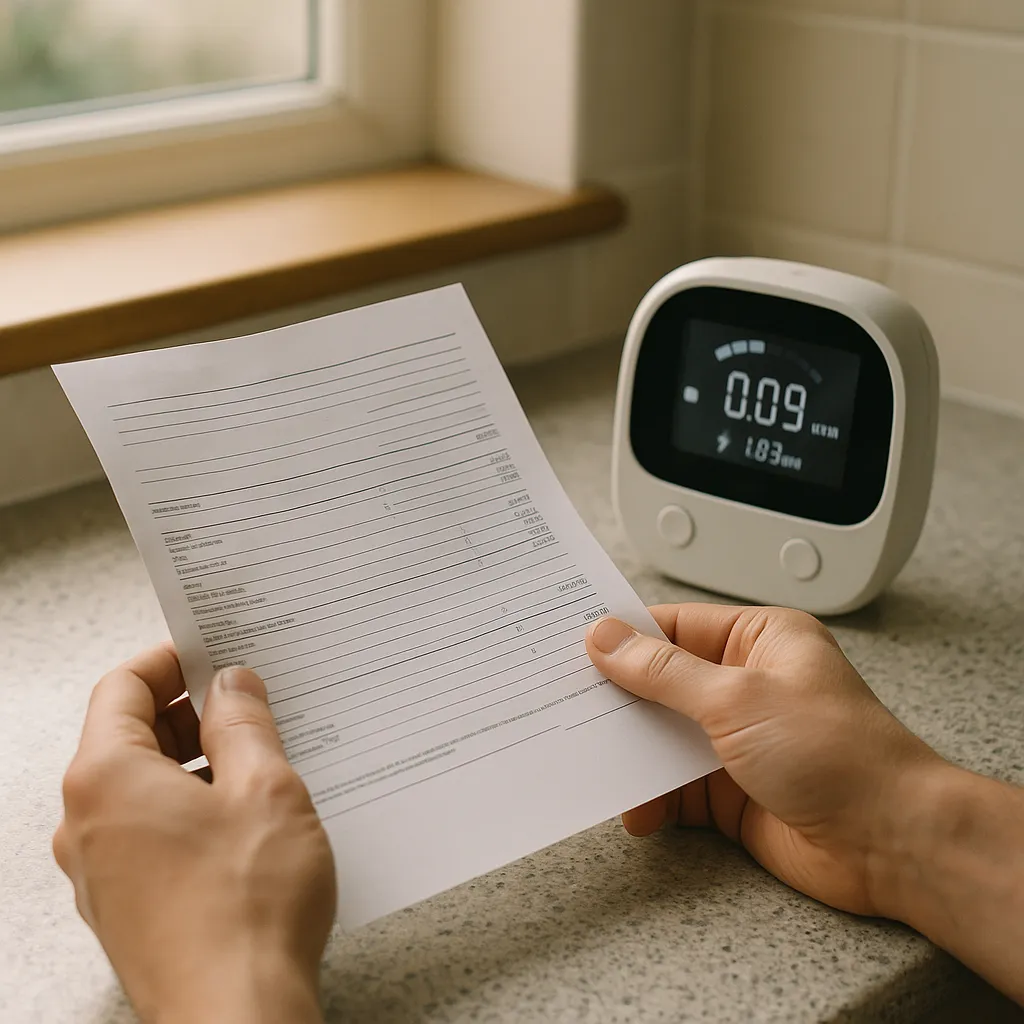
If you’re staring at your statement thinking, “why is my energy bill so high?” you’re not alone. In the UK, a bill can jump even when your routine hasn’t changed much, because your total isn’t just “what you used this month”. It’s a mix of unit rates, standing charges, how your supplier estimates usage, and how your payment plan is set up.
A 10-minute checklist (do this first)
Before you change any habits, do these quick checks. They’re the fastest way to spot an error or a “catch-up” bill.
- Check if the bill is estimated or actual. Look for “E” (estimated) or “A” (actual). If you’ve had a run of estimates, the first actual read can make the bill look suddenly huge.
- Compare kWh used to your last bill. Don’t compare £ to £ first. Compare kWh for electricity and gas across similar day counts.
- Check the bill dates. A longer billing period (e.g., 40–60 days) makes the total look bigger even at the same daily use.
- Check the unit rate and standing charge. If your fixed deal ended, your prices may have changed. Standing charges are daily, so even low usage homes can see a high base cost.
- If you pay by Direct Debit, check your balance line. A “bill shock” can be the supplier correcting an underpayment across earlier months, not just this month’s usage.
12 common UK reasons your energy bill is high
Most high bills come down to a handful of patterns. Use this list to narrow it down quickly and take the right next step.
1) Your bill is catching up after estimated readings
If your supplier has been estimating, you might have been underpaying without realising. When a real meter reading lands (from you, an engineer, or a smart meter), your account can “true up” all at once.
- Tell-tale sign: your bill shows an actual read now, but earlier bills were estimated.
- What to do: submit regular meter reads (or check your smart meter is communicating). If the read is wrong, challenge it with a photo.
2) Your fixed tariff ended and you moved to a higher rate
When a fixed deal ends, you may roll onto a more expensive variable tariff. Even if your usage is steady, your bill rises because each kWh costs more.
To see the typical price-cap unit rates and standing charges for your region, Ofgem publishes a table you can check against your bill: get price-cap standing charges and unit rates by region.
3) Standing charges are doing more damage than you think
Standing charges are a daily fee you pay regardless of usage. If you’re a low user (small flat, out a lot, very careful with heating), standing charges can form a big chunk of the total.
Quick maths: daily standing charge × days in the bill period = the “base cost” before you’ve used any energy.
4) Your Direct Debit was set to build (or clear) a balance
Many suppliers set Direct Debits to smooth payments across the year, meaning you often pay more than your summer usage to avoid winter debt. If you’ve built a debt, your Direct Debit can rise even if your usage hasn’t.
Citizens Advice has practical guidance on dealing with energy suppliers and billing problems, including how to challenge payment plans and complaints.
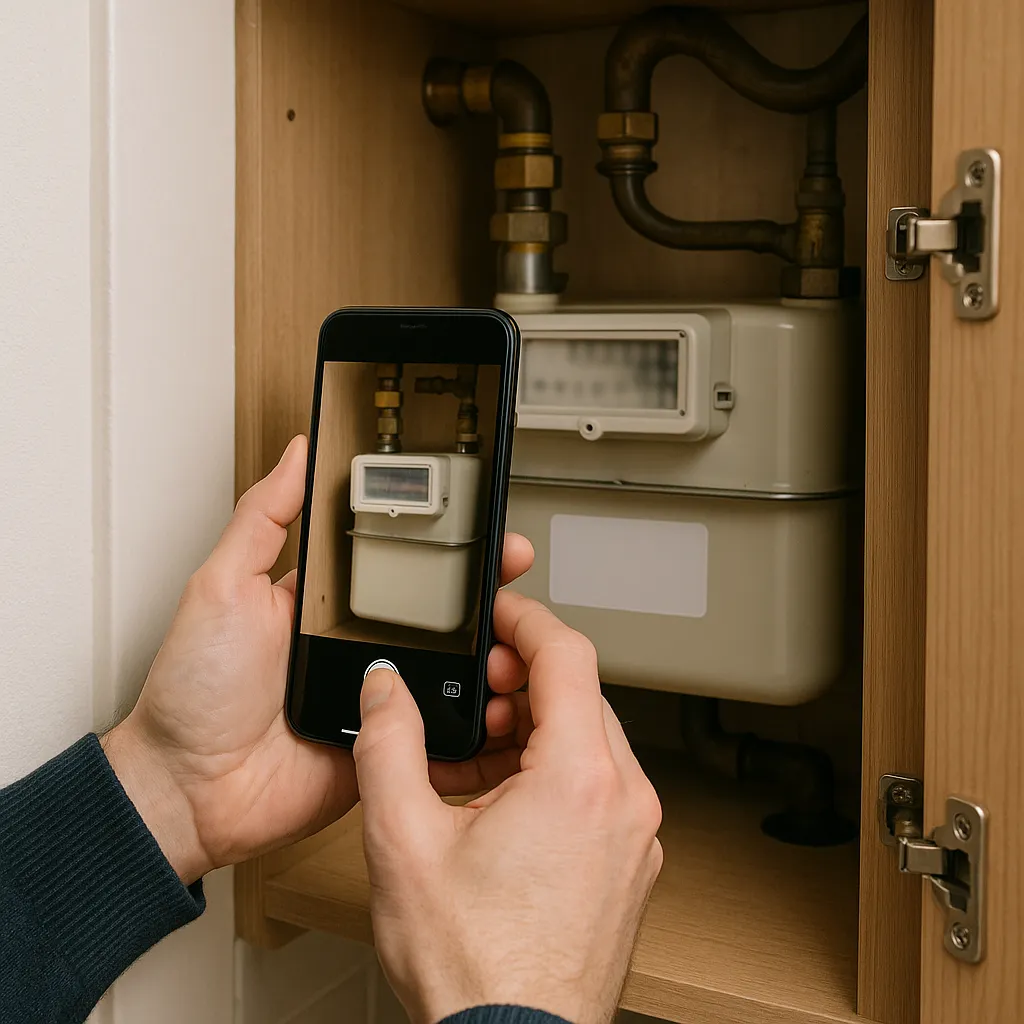
5) Your meter reading was entered incorrectly (one digit can hurt)
A single wrong digit can create a huge bill. This happens most with manual reads and with moving house (opening/closing reads).
- What to do: take a clear photo, note the date, and ask for a corrected bill.
- Extra check: make sure the meter serial number on your bill matches the meter in your home.
6) You’ve moved home (or changed supplier) and the opening read was off
If your opening read is too high, you can be charged for someone else’s usage. If it’s too low, you’ll “owe” later. This can take months to surface.
If you recently moved, keep your move-in photos of both meters. It’s one of the strongest pieces of evidence you can provide.
7) Your heating pattern changed slightly (and the cost change is bigger than you expect)
Heating is the biggest driver of winter bills. A small shift like “heating on an extra hour per day” can multiply quickly across a month, especially in colder snaps.
8) You’re on a time-of-use tariff and using power in the expensive hours
Economy 7/Economy 10 and some smart tariffs have different day/night rates. If your usage moved into peak hours (or your storage heaters aren’t charging at the right times), costs can rise fast.
What to do: check your tariff name on the bill, then compare your day vs night kWh. If you’re mostly using energy in the day on Economy 7, it may not suit your household.
9) One high-draw appliance is quietly doing the damage
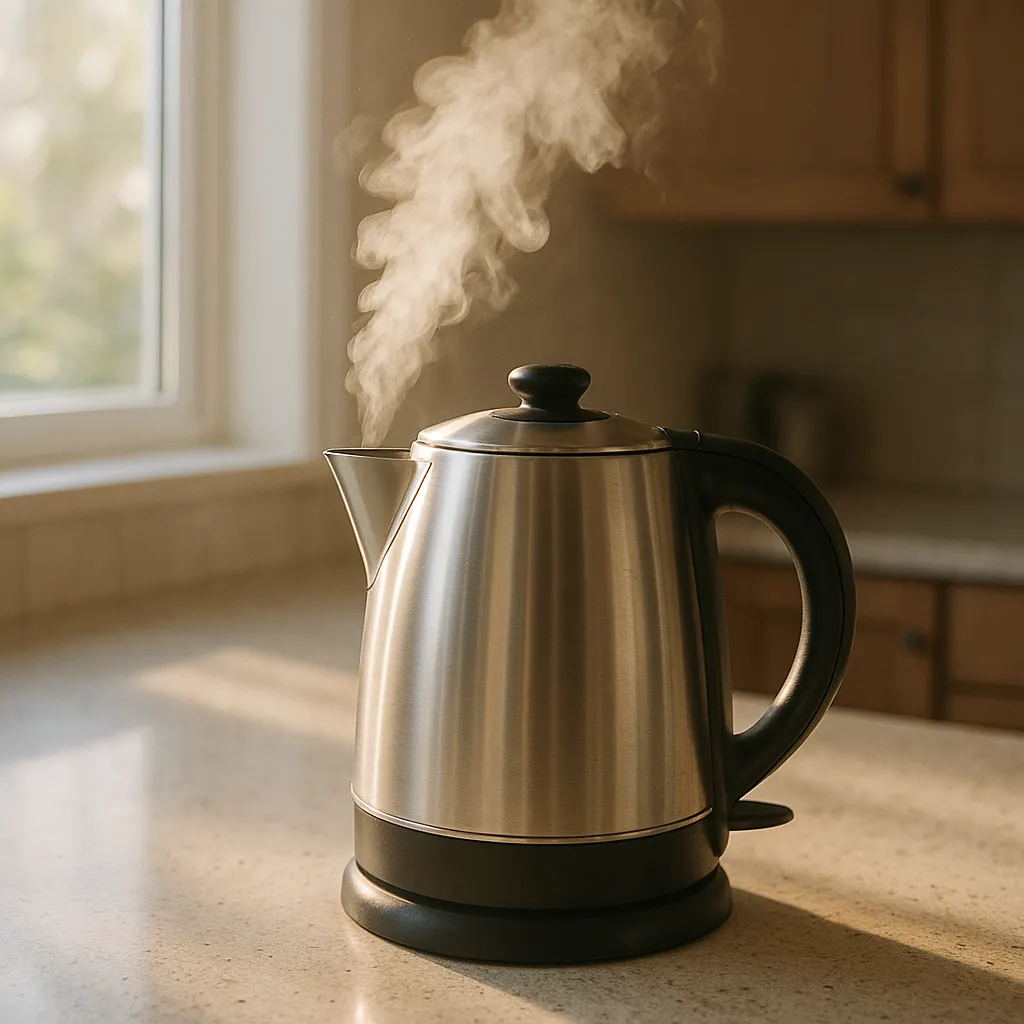
Some appliances create big spikes even when used briefly: kettles, electric showers, ovens, tumble dryers, immersion heaters, and portable electric heaters.
A simple test: watch your smart meter’s live usage while turning one appliance on for a minute. The jump shows you which items move the needle.
10) You’ve got an immersion heater left on (common in flats)
If you have a hot water cylinder, an immersion heater can rack up costs if it’s left on for long periods. It’s a classic “nothing changed” mystery bill cause.
- Tell-tale sign: electricity usage stays high even when you’re out.
- What to do: check the immersion switch/timer and consider short timed boosts rather than constant on.
11) You’re paying for energy you didn’t use (billing dispute or back-billing issue)
If you receive a large bill for an old period, ask for a full breakdown and challenge anything you can’t validate. Ofgem’s back-billing guidance explains when you may be protected from being charged for energy used more than 12 months ago: what to do if you get a back bill.
12) You’re in financial difficulty and the payment plan is making the bill feel worse
Sometimes the problem isn’t only the energy you’re using, it’s the repayment plan to clear a balance. If you’re struggling, tell your supplier early and ask about support options (including repayment plans you can realistically afford).
How to lower your energy bill without a full lifestyle overhaul
Once you’ve identified what’s driving the cost, focus on the changes that tend to deliver the fastest wins.
- Submit regular meter reads: it prevents estimate surprises and helps Direct Debits reflect reality.
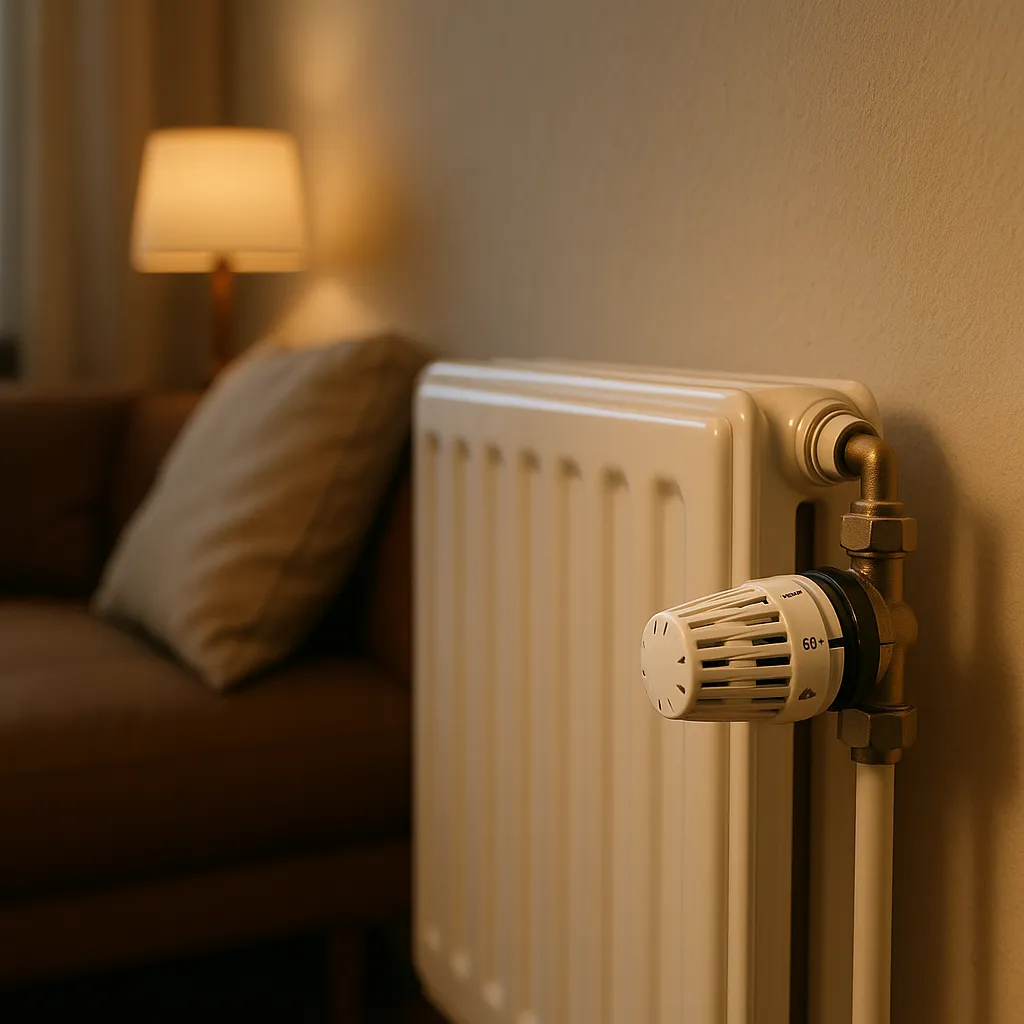
- Control heating room-by-room: use radiator valves and keep doors closed in unused rooms.
- Target the big electricity loads: tumble dryer, electric shower, immersion heater, portable heaters.
- Review your tariff: if your fix ended, compare options. If you’re on Economy 7, check if your pattern still fits.
If you think the bill is wrong: what to say when you call
When you contact your supplier, your goal is to get to a specific correction (not a vague reassurance). Use this short script:
- “This bill looks high. Is it based on an estimated or actual read?”
- “Please confirm the meter serial number on the bill matches my meter.”
- “Here is my latest reading and a dated photo. Can you re-bill using this?”
- “If prices changed, what are my unit rate and standing charge now vs last bill?”
- “If my Direct Debit is changing, can you explain the balance and forecast behind it?”
If you’ve complained and you’re not getting traction, you can escalate a billing dispute to the Energy Ombudsman (Better Billing disputes) once your supplier has had time to resolve it.

Where 118 118 Money fits in
Energy bills don’t exist in isolation. When one outgoing jumps, it can knock everything else off balance. If you’re trying to get back to feeling steady, our blog focuses on Financial Fitness: knowing what’s happening, making a plan, and reducing money stress.
- For a simple reset, start with Academy Course #1 and then move into Course #2 (budgeting and foundations).
- To find more practical money-saving ideas, browse the 118 118 Money blog hub or try a quick win like how to save £45k over the next ten years.
FAQ: why is my energy bill so high?
Why has my energy bill suddenly doubled?
A sudden jump is usually caused by one of three things: a bill based on a new (higher) meter read after a long run of estimates, a price change (unit rate or standing charge) at the end of a fixed deal, or a seasonal usage spike (especially heating). Start by checking whether the bill is estimated or actual, then compare unit rates and standing charges to your previous statement, and finally compare your kWh used across the two periods.
Can an energy supplier back-bill me for years?
In many situations, suppliers are expected to follow Ofgem’s back-billing rules, which generally limit how far they can charge you for energy you used if they failed to bill you correctly. If you get a large catch-up bill, ask for the bill to be broken down by dates, check whether the 12-month back-billing protections apply, and raise a complaint quickly if you think the supplier is at fault.
What’s the difference between an estimated bill and an actual bill?
An estimated bill is calculated using a guess of your usage when the supplier doesn’t have a recent meter reading. An actual bill is based on a real read from you, an engineer, or a smart meter. Estimates can be too high or too low; when an actual read arrives, your account can suddenly jump to catch up.
Why is my Direct Debit going up if my usage is the same?
Many suppliers set Direct Debits to spread costs across the year and to reduce debt risk, so they may increase payments if you’ve built up a balance, if prices have risen, or if they’re forecasting higher winter use. You can ask for an explanation, provide up-to-date meter reads, and request a review if the amount doesn’t match your actual usage and balance.
Do standing charges make a big difference?
Yes. Standing charges are a daily fixed amount you pay even if you use no energy. On low-usage homes, the standing charge can form a large share of the total bill. The impact is easiest to see by multiplying the daily standing charge by the number of days in your billing period.
Is it cheaper to use appliances at night?
Only if you’re on a time-of-use tariff such as Economy 7, Economy 10, or a smart tariff with cheaper off-peak rates. On a standard single-rate tariff, it costs the same per kWh at night as during the day.
How can I tell which appliance is driving my electricity costs?
The quickest method is to check your smart meter’s live usage while turning big loads on and off (kettle, tumble dryer, electric shower, oven, immersion heater). If you don’t have a smart meter, you can use a plug-in energy monitor on individual appliances and compare typical weekly use.
What should I do if I think my energy bill is wrong?
Take dated photos of your gas and electricity meters, check the serial number on your bill matches your meter, confirm whether the bill is estimated, and ask for a corrected bill. If the issue isn’t resolved, follow your supplier’s complaints process and escalate to the Energy Ombudsman if needed.
Note: This article is general information, not financial advice. If you’re in immediate difficulty paying for energy, contact your supplier as soon as possible. For free, confidential debt advice on priority bills like energy, StepChange also explains your options for gas and electricity arrears.