When Is My Car Insurance Due? UK Renewal Guide
A clear UK guide to finding your car insurance due date, what your renewal notice means, and how to avoid a gap in cover or an overpriced last-minute quote.
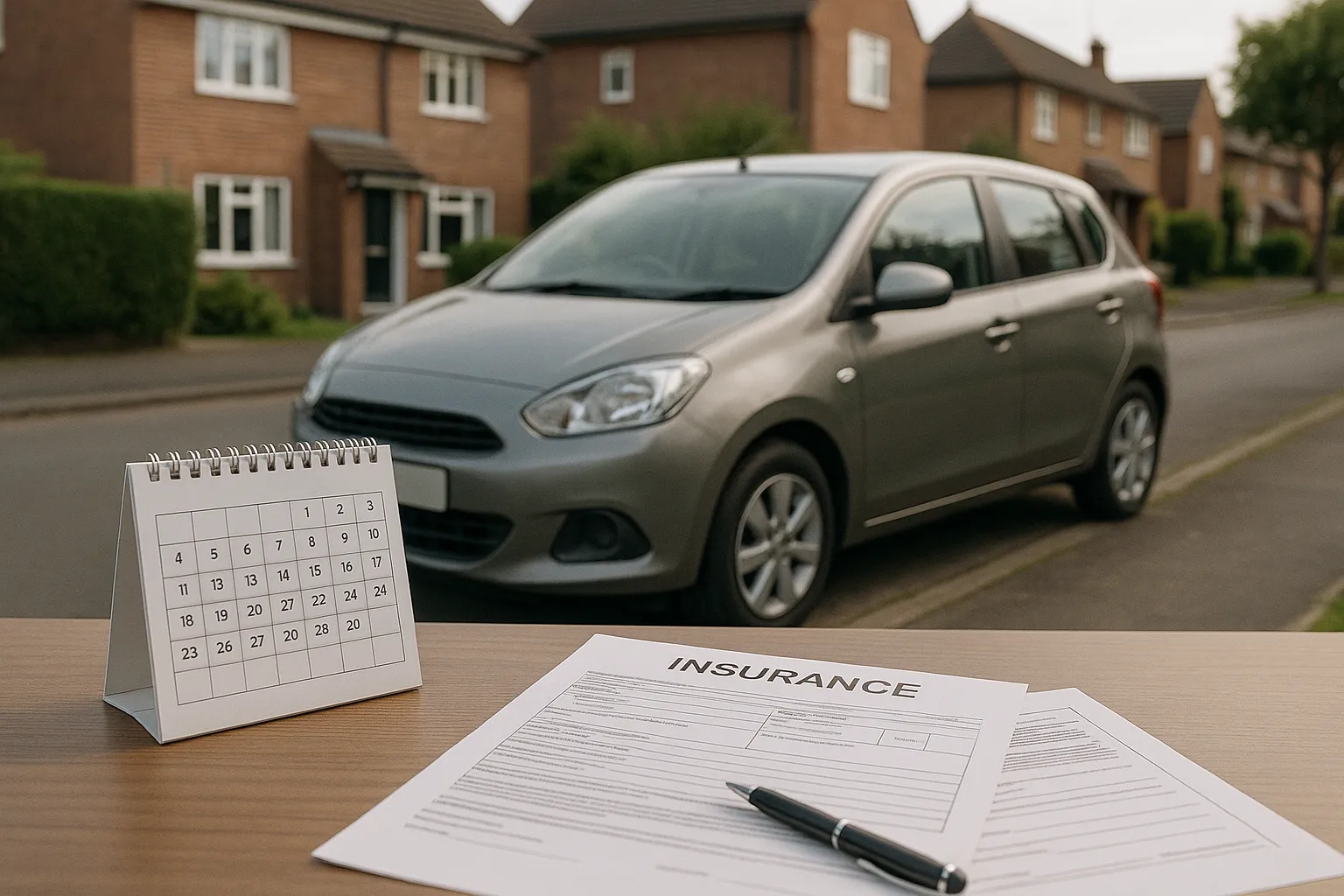
If you are asking when is my car insurance due, the short answer is this: your policy is due on the end date shown on your current insurance documents. That sounds simple, but plenty of drivers only realise the date is close when the renewal email lands or a Direct Debit changes.
Knowing your due date matters for two reasons. First, it helps you avoid a gap in cover. Second, it gives you time to compare quotes instead of accepting an expensive last-minute price.
This guide explains where to find your car insurance due date, what usually happens before renewal in the UK, what to do if you cannot find the paperwork, and how to renew without making your budget work harder than it needs to.

Quick Answer: When Is My Car Insurance Due?
Your car insurance is due when your current policy reaches its renewal date or expiry date. You can normally find that date in one of these places:
- your policy schedule
- your certificate of motor insurance
- your insurer account or app
- your renewal email or letter
- your bank statement if you pay by Direct Debit
MoneyHelper says insurers will often get in touch three or four weeks before the renewal date, which gives you time to decide whether to stay put or switch. That reminder is helpful, but it is still worth checking the date yourself rather than relying on memory alone.
How to Find Your Car Insurance Due Date in 5 Minutes
If you are unsure when your car insurance is due, work through this list in order:
- Open your latest policy documents. Look for the start date and end date. The due date is normally the day the annual policy ends.
- Search your inbox. Use terms like renewal, policy schedule, certificate, or your insurer’s name.
- Check your insurer account. Most major insurers show the renewal date in your online dashboard.
- Review your bank transactions. If you pay monthly, the timing of your payments can help you narrow down the renewal month, though the exact due date still needs checking in the policy documents.
- Call or message your insurer. If you still cannot find it, ask them directly for the renewal date and whether auto-renewal is switched on.
If you already know renewal is close, our guide on the best time to renew car insurance explains when to start shopping so you are not rushed.
What Your Renewal Notice Usually Tells You
UK insurers are required to give clearer renewal information than they used to. The FCA’s renewal transparency rules were designed to make it easier for people to engage with both cover and price, not just let the policy roll on unnoticed.
Your renewal notice will usually include:
- the renewal date
- the new premium
- whether the policy will auto-renew
- changes to cover or excess
- what you need to do if your details have changed
This is where many people get caught out. They focus on the headline price and miss a change to the excess, courtesy car terms, or add-ons. MoneyHelper’s policy checklist is a good reminder that the cheapest quote is not always the best-value cover.

Will My Insurer Remind Me Before It Is Due?
Usually, yes. Many insurers send a renewal reminder around three to four weeks before the policy ends. But there are good reasons not to rely on that alone:
- emails can land in spam or promotions folders
- letters can be delayed or sent to an old address
- you may have switched communication preferences in your account
- you might assume monthly payments mean you do not need to do anything
A simple fix is to set a reminder in your phone for around 28 days before the expiry date. That gives you enough breathing room to compare quotes and gather any paperwork you need.
What Happens If Your Car Insurance Runs Out?
If your policy ends and you drive, you could be driving uninsured. GOV.UK states that you must have motor insurance if you use a vehicle on roads and in public places. In Great Britain, there is also continuous insurance enforcement, which means the registered keeper can face action for keeping an uninsured vehicle unless it has been declared off the road with a SORN.
That is why renewal timing matters. Even if you plan to switch insurer, the safest approach is to have the new policy start exactly when the old one ends.
If you think there may already be a problem, the Motor Insurers’ Bureau says drivers can check whether a vehicle is listed as insured on askMID. That can help confirm whether cover is showing correctly after renewal or a switch.
Can I Renew Car Insurance Before It Is Due?
Yes. In most cases, you can buy a new policy in advance and choose a future start date. That means you do not need to wait until the last day.
For many drivers, this is the best way to handle renewal because it lets you:
- compare cover properly
- avoid panic-buying extras
- reduce the risk of a gap in cover
- spread out the admin instead of doing everything in one evening
We cover the timing in more detail in our car insurance renewal guide, including what to check before you buy.
Is It Cheaper to Renew Early?
It often can be. While there is no magic date that works for everyone, many drivers find quotes are more manageable when they start looking around three to four weeks before renewal rather than in the final day or two.
There are practical reasons for that:
- you have more time to correct mistakes in your details
- you can compare the full policy, not just the premium
- you are less likely to accept extras you do not need
- you avoid the pressure of an imminent expiry date
The FCA’s pricing reforms changed how insurers handle renewal pricing, but that does not mean every renewal quote is automatically the best option. The Financial Services Consumer Panel reported in 2024 that many consumers still saw price increases at renewal, and many who negotiated with their provider got the price reduced.
What to Check Before You Renew
Once you know when your car insurance is due, use the date as a trigger to review the details that affect both price and protection.
- Cover level: third party, third party fire and theft, or comprehensive. If you are unsure which suits you, our guide to 3rd party car insurance explains the trade-offs clearly.
- Excess: make sure the compulsory and voluntary excess still feel affordable.
- Mileage: update it if your routine has changed.
- Use of the car: social use, commuting, or business use must be accurate.
- Named drivers: check their details carefully.
- Add-ons: legal cover, breakdown, key cover, and courtesy car are worth checking one by one.
MoneyHelper notes that if you can afford to pay upfront, you can often save money over the year compared with monthly instalments. If you are weighing up annual versus monthly cost, our Budget Planner can help you test what is realistic before you commit.

If You Cannot Afford the Renewal Quote
If your renewal price is higher than expected, do not ignore it and hope it sorts itself out. Act early and work through the basics:
- compare quotes using the same details
- remove add-ons you do not need
- check whether paying annually is cheaper overall
- ask your current insurer whether there is any flexibility on the price
- make sure your details are accurate, especially mileage and occupation
If the wider issue is that annual bills keep arriving before you are ready, 118 118 Money’s Money Guidance hub and free financial tools are designed to help you plan ahead, build better routines, and take some of the sting out of irregular expenses.
A Simple Renewal Routine for Next Year
If you want to make this easier going forward, use a repeatable routine:
- save your insurer documents in one email folder
- set a phone reminder 28 days before renewal
- check auto-renewal status as soon as the reminder fires
- compare quotes within the next week
- buy the new policy to start when the current one ends
It is not complicated, but it is one of those small habits that can save money and stress every year.
How 118 118 Money Can Help
Car insurance is one of those annual costs that can throw off a budget if it sneaks up on you. 118 118 Money helps people build steadier money habits with practical guidance and tools, including:
- free financial tools to map upcoming bills
- credit cards for eligible customers looking to manage day-to-day spending responsibly
- loans for eligible customers who need to spread larger planned costs
Plan for Renewal Before It Becomes Urgent
Use our tools to map annual bills, check your budget, and stay one step ahead of renewal season.
Frequently Asked Questions
How do I find out when my car insurance is due?
Check your current policy schedule, certificate, renewal email, insurer account, or Direct Debit paperwork. Your insurer will usually contact you around three to four weeks before renewal, but the exact due date is the policy end date shown on your documents.
What happens if my car insurance runs out?
If your policy ends and you drive, you could be driving uninsured. In Great Britain, the registered keeper can also face continuous insurance enforcement action for keeping an uninsured vehicle unless it is officially declared off road with a SORN.
Can I renew my car insurance before it is due?
Yes. You can usually buy a new policy in advance and set it to start on the day your current cover ends. That gives you time to compare quotes without creating a gap in cover.
Will my insurer remind me before car insurance is due?
Usually yes. Many UK insurers send renewal information around three to four weeks before the policy end date, but you should not rely on that alone. It is worth checking your renewal date yourself and setting a reminder.
Is it cheaper to renew early?
It often can be. Leaving renewal to the last minute can reduce your options and may increase the premium, so starting around three to four weeks before the new start date is a practical approach for many drivers.
Featured image generated for this article. Supporting photos via Unsplash.