Cheapest Cars to Insure for New Drivers (UK Guide)
A practical UK guide to first-car insurance: what makes a car cheap to insure, what to avoid, and a shortlist of models that usually quote well for new drivers.
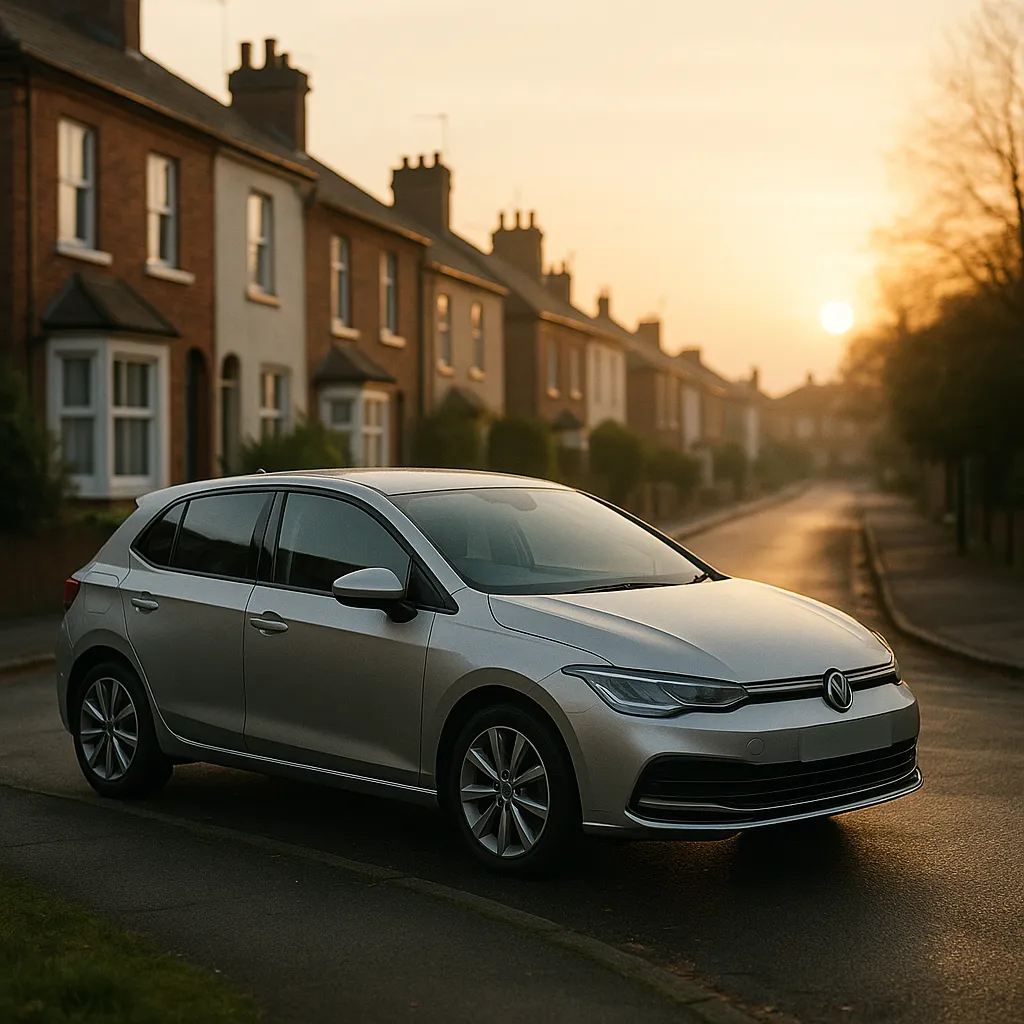
For most new drivers, the biggest shock isn’t the cost of the car. It’s the first insurance quote.
If you’re searching for the cheapest cars to insure for new drivers, you’re already doing the smartest thing you can do: choosing the right car before you buy. That single decision can change your premium more than any “hacks” you try later.
This UK guide explains what makes a car quote well for new drivers, what to avoid, and a shortlist of models that typically sit in the cheaper end of the market (especially in smaller engine, non-sport trims).
Cheapest Cars to Insure for New Drivers: The Quick Answer
If you want the fastest route to cheaper quotes, look for a first car that is:
- In a lower insurance group (generally smaller, lower-powered trims).
- Cheap to repair (common parts, lower labour time, simpler body panels).
- Not a common theft target (and has good factory security).
- Not a “sport” trim, even if the engine is small (styling packs and bigger wheels can push repair costs up).
- Easy to drive safely (good visibility, predictable handling, modern safety kit).
That’s why the same types of cars come up again and again: city cars and superminis with 1.0–1.2 litre engines, in sensible trims.

Why New Drivers Pay More (and Why the Car Matters So Much)
Insurers price risk using lots of signals: your age, experience, where you live, where the car is kept overnight, and the claims history of people like you. When you’re newly qualified, the data behind the scenes is less forgiving.
What you can control is the car itself. In insurer terms, the “right” first car tends to have:
- Lower performance (acceleration and top speed matter).
- Lower repair severity (a minor bump should not mean a £2,000 bill).
- Lower theft risk in your area.
If you’d like a plain-English refresher on how UK car insurance works and what you can do to cut costs, MoneyHelper has a helpful overview of car insurance basics and ways to reduce the cost.
Insurance Groups Explained (and How to Use Them Without Getting Misled)
UK cars are assigned an insurance group from 1 (lowest) to 50 (highest). Lower groups often quote cheaper because they’re expected to cost less to insure, but the group number isn’t the full story.
Use groups as a filter, not a promise. If you compare a group 4 city car to a group 22 sporty hatchback, you’ll usually see a big difference. But two group-6 cars can still quote very differently for a 17-year-old in two different postcodes.
For a deeper view of how insurers think about safety, repairability and risk, Thatcham Research is one of the key UK bodies involved in vehicle risk research and ratings. You can see their work at Thatcham Research.

Cheapest Cars to Insure for New Drivers: Models That Usually Quote Well
Below is a shortlist of cars that often land in the “affordable to insure” zone for new drivers in the UK. The exact quote depends on your details and the exact version of the car, so treat this as a starting list for test quotes.
Rule for every model below: check the smallest sensible engine and a non-sport trim first. A “sport” badge, big alloys, body kits, or higher-output turbo variant can shift a car into a higher group.
City Cars (often among the cheapest for new drivers)
- Kia Picanto
- Hyundai i10
- Toyota Aygo / Aygo X
- Volkswagen up! / Skoda Citigo / SEAT Mii (common used options)
- Fiat Panda
Superminis (good balance of practicality and premiums)
- Skoda Fabia
- SEAT Ibiza
- Volkswagen Polo (lower-powered trims)
- Vauxhall Corsa (quotes can vary a lot by trim)
- Ford Fiesta (avoid ST-line/sporty versions if cost is the priority)
Small cars that can be good value, but always check first
- Renault Clio (trim and engine matter)
- Peugeot 208 (avoid higher-output trims)
- Dacia Sandero (often strong value overall)

What to Avoid if You Want the Cheapest Insurance
Some cars price high for new drivers because insurers see more claims, larger claims, or higher theft rates. Premium raisers include:
- Hot hatches and sporty trims (ST, GTI, RS, VXR, “Sport”, “S-Line”, “ST-Line”).
- Large alloy wheels and low-profile tyres (more expensive repairs and kerb damage claims).
- Rare models with expensive or slow-to-source parts.
- Modified cars (and undeclared mods can invalidate cover).
- High-theft models in your area.
If you want a broader (not new-driver specific) guide to keeping the car choice insurance-friendly, see our main guide to cheapest cars to insure.
How to Test Quotes Before You Buy (10-Minute Method)
This is the step that saves the most money, because it stops you buying the “wrong” car for your profile.
- Pick 3–5 cars you’d genuinely buy.
- Quote each car with identical details (same mileage, job title, parking, excess, start date).
- Compare like-for-like: cover level, excess, windscreen cover, courtesy car, and add-ons.
- Repeat with 2 start dates if you can (for example, 7 days vs 21 days ahead) to see if timing changes the price.
Timing can matter more than most people expect. If you’re already insured and approaching renewal, our guide on the best time to renew car insurance explains why shopping earlier can reduce quotes.
New Driver Levers That Can Reduce the Price (Without Changing the Car)
Once you’ve got a sensible model, these are the most realistic ways to bring the premium down:
1) Set a higher voluntary excess (but only if you can pay it)
A higher excess can reduce your premium because you’re taking on more of the risk. Just be honest about what you could pay after an accident. A cheap premium isn’t a win if the excess would break your budget.
2) Consider telematics (black box) if your driving will suit it
Telematics policies can reward smoother, lower-risk driving. But they may come with restrictions (for example, on driving times) or monitoring that isn’t right for everyone. Read the terms and look at reviews of the insurer’s app.
3) Add a named driver carefully (and avoid fronting)
Adding an experienced named driver can sometimes help, but only if it’s true and fair. The main driver must be the person who drives the car most. Putting a parent as the main driver when the new driver actually uses the car most is known as fronting and can invalidate cover.
4) Be realistic with mileage and parking
Overestimating mileage can push up the quote. Parking on a driveway or in a garage can also price differently to street parking. Use the most accurate option you can, and don’t guess wildly.
5) Check your cover level the smart way
It’s not automatically cheaper to buy third party cover. Comprehensive can sometimes be similar in price (or even cheaper) depending on the insurer’s data for different customer groups. Quote both and compare what you actually get.
If you want a step-by-step way to sanity-check your documents and policy setup, our car insurance renewal guide doubles as a useful checklist for first-time policies too.
Don’t Risk a Gap in Cover
Driving uninsured is a serious offence, and it can create expensive problems later. If you’re switching policies, make sure your new cover starts exactly when the old cover ends. GOV.UK explains the rules around continuous insurance enforcement and uninsured vehicles.
A Simple First-Car Checklist for Cheaper Insurance
- Filter by insurance group, then test quotes on the exact trim.
- Avoid sporty versions, even if the engine size looks small.
- Prefer common models that are cheaper and faster to repair.
- Run quotes before you view cars so you don’t waste weekends.
- Keep modifications minimal and always declare them.
How 118 118 Money Can Help
When an annual bill like car insurance hits at the wrong time, it can squeeze the rest of the month. If you’re trying to plan ahead and keep things steady, these tools and products can help:
- Free financial tools for everyday planning
- Budget Planner to map out bills like insurance, MOT and servicing
- Loans for eligible customers who need to spread a larger cost
- Credit cards designed to help build better credit
Build a Plan for Insurance and Running Costs
See what’s coming, set a simple monthly target, and reduce last-minute stress.
Frequently Asked Questions
What are the cheapest cars to insure for new drivers in the UK?
The cheapest cars to insure for new drivers are usually small, lower-powered cars in lower insurance groups, with good safety and security, and common parts that are cheap to repair. In practice this often means 1.0–1.2 litre city cars and superminis in non-sport trims.
Is it always best to buy a car in insurance group 1?
Lower insurance groups are a useful shortcut, but they are not a guarantee. Your age, postcode, mileage, where the car is kept overnight, your excess, and the exact policy details can move quotes up or down just as much.
Does adding a named driver make insurance cheaper for a new driver?
It can, but only if it reflects the true driving reality. The main driver must be the person who actually drives the car most. Listing someone else as the main driver when they are not is known as fronting and can invalidate cover.
Is telematics (black box) insurance worth it for new drivers?
Telematics can be worth it if you drive smoothly and mostly at lower-risk times. It can reduce premiums for some drivers, but it may include rules around driving times, mileage, or driving behaviour, so always read the policy terms.
Is comprehensive insurance more expensive than third party for young drivers?
Not always. Comprehensive can sometimes be similar in price or cheaper because insurers price based on overall risk patterns, not just the level of cover. It is worth quoting both and comparing like for like.
Stock photos by Roland Denes, Yiquan Zhang, and Jakub Żerdzicki via Unsplash.